The Vote That Was Already Counted: How the Plebiscite Became Democracy's Most Reliable Illusion
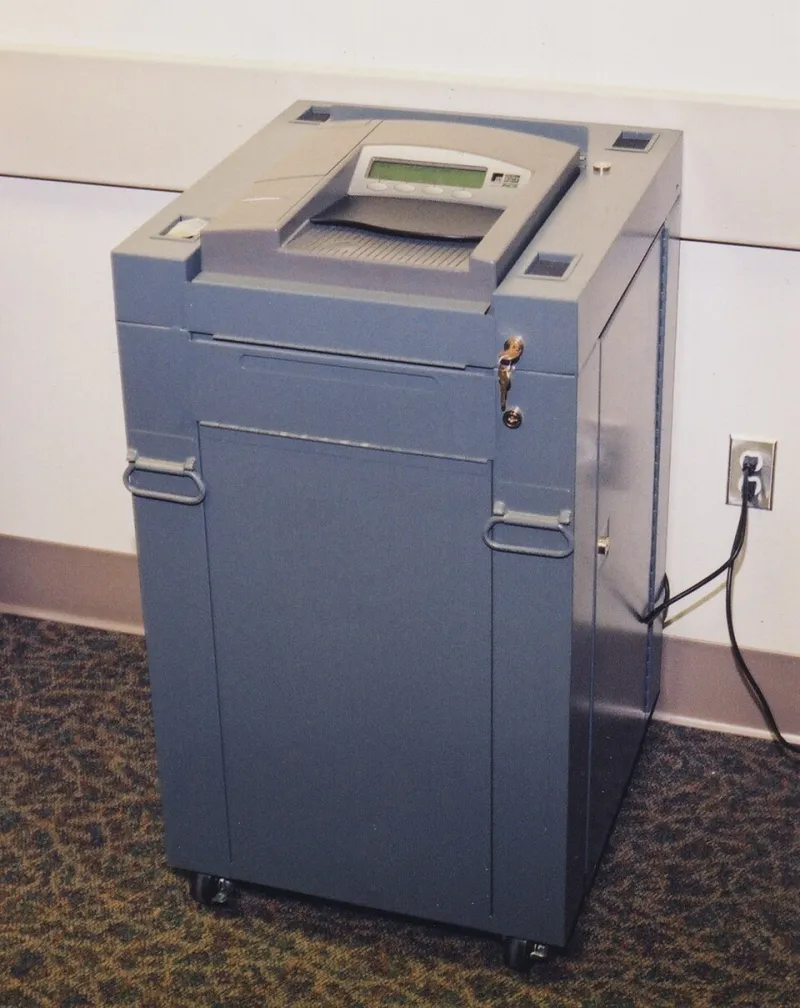
Photo: Douglas W. Jones, CC0, via Wikimedia Commons
The Vote That Was Already Counted: How the Plebiscite Became Democracy's Most Reliable Illusion
There is a question that serious students of political history eventually ask about the plebiscite: if direct popular votes so frequently produce the outcome their sponsors desired, why do governments bother holding them at all? The cynical answer — that the vote is pure theater — is true but incomplete. The more interesting answer is psychological. Governments hold plebiscites not despite the fact that the outcome is often predetermined, but because populations that feel they have chosen something are qualitatively different from populations that have had something imposed on them. The sensation of consent, even when manufactured, produces a different kind of citizen than the experience of mandate. And different kinds of citizens are, from the perspective of power, more or less useful.
This is not a modern discovery. It is approximately as old as organized government.
Napoleon and the Grammar of Ratification
Napoleon Bonaparte held four plebiscites between 1800 and 1815. The reported results were, by any modern standard of electoral credibility, extraordinary: the 1802 vote on his appointment as Consul for Life produced a yes vote of approximately 99.7 percent. The 1804 vote establishing the Empire was similarly decisive. Historians have since documented that the actual tallies were substantially altered by Lucien Bonaparte, then serving as Minister of the Interior, who understood that the margin of victory needed to be large enough to be unambiguous but not so theatrical as to invite mockery.
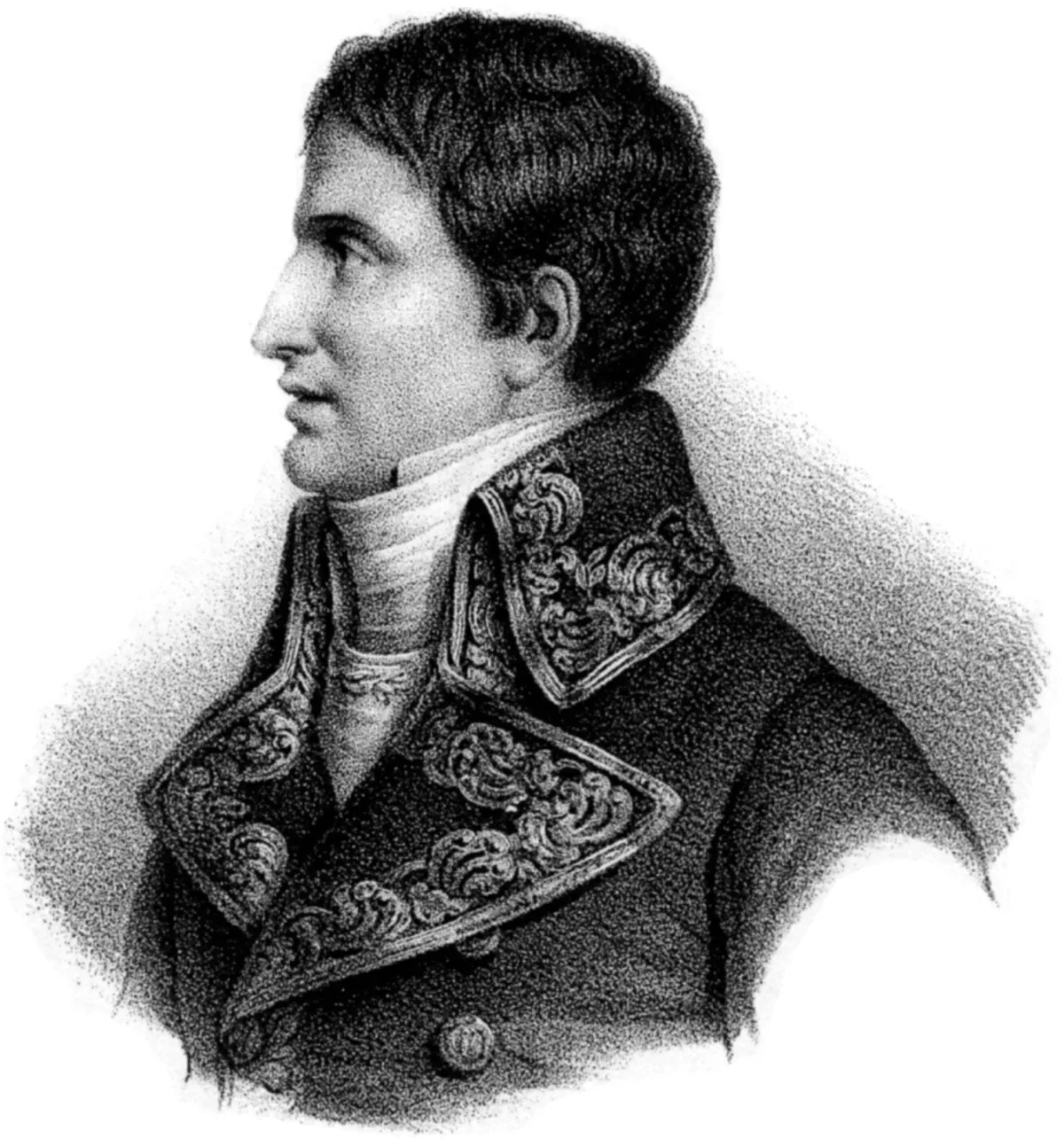 Photo: Lucien Bonaparte, via cdn.britannica.com
 Photo: Napoleon Bonaparte, via img.freepik.com
What is instructive about the Napoleonic plebiscites is not that they were falsified — that detail, while significant, is almost beside the point. What matters is why they were held at all. Napoleon had the army. He had the administrative apparatus. He had eliminated his serious political opponents. He did not need a popular vote to consolidate power. He needed it to transform the nature of his authority — to convert a military seizure into something that carried the legitimacy signature of popular sovereignty. The plebiscite was not a measurement of public opinion. It was a laundering operation, converting raw power into democratic currency.
The French population, for its part, largely understood the transaction and accepted it. This is the detail that purely cynical analysis tends to miss: the people being consulted are rarely as deceived as the cynical framing implies. They participate not because they believe the vote is genuinely open, but because participation in the ritual of consent carries its own psychological rewards — a sense of agency, of inclusion, of being on the right side of an outcome that is going to happen regardless.
The Question Behind the Question
Every plebiscite has two questions. The first is the one printed on the ballot. The second is the one the ballot's architects actually care about, which is typically some version of: will the population accept the legitimacy of this outcome? These two questions can be related, but they are not the same, and conflating them produces systematic confusion about why plebiscites so often feel like foregone conclusions even when they are technically free.
Consider the structural elements that recur across centuries of direct votes designed to produce specific results. The framing of the question itself is primary: a question asked as should we adopt this new constitution? is grammatically identical to should we reject this new constitution? but produces measurably different responses. The timing of the vote relative to the momentum of events matters enormously — populations asked to ratify something that already feels accomplished tend to ratify it. The available alternative, when there is one, is almost always made to appear more frightening or more uncertain than the proposed change. And the information environment surrounding the vote is shaped, through a combination of official communication and the natural dynamics of media coverage, to make one outcome feel inevitable.
None of these techniques require overt fraud. They require only a sophisticated understanding of how human beings process binary choices under conditions of uncertainty — an understanding that political operators have been refining, through trial and error, for a very long time.
Brexit and the Authenticity Problem
The 2016 Brexit referendum in the United Kingdom presents a different case — one in which the government that called the vote did not, in fact, want the outcome it produced. David Cameron's decision to hold the referendum was itself a product of political pressure management rather than genuine democratic consultation: the vote was designed to settle an internal Conservative Party dispute while simultaneously neutralizing the electoral threat from the UK Independence Party. The assumption, shared by most of the political and financial establishment, was that the result was predetermined in the other direction.
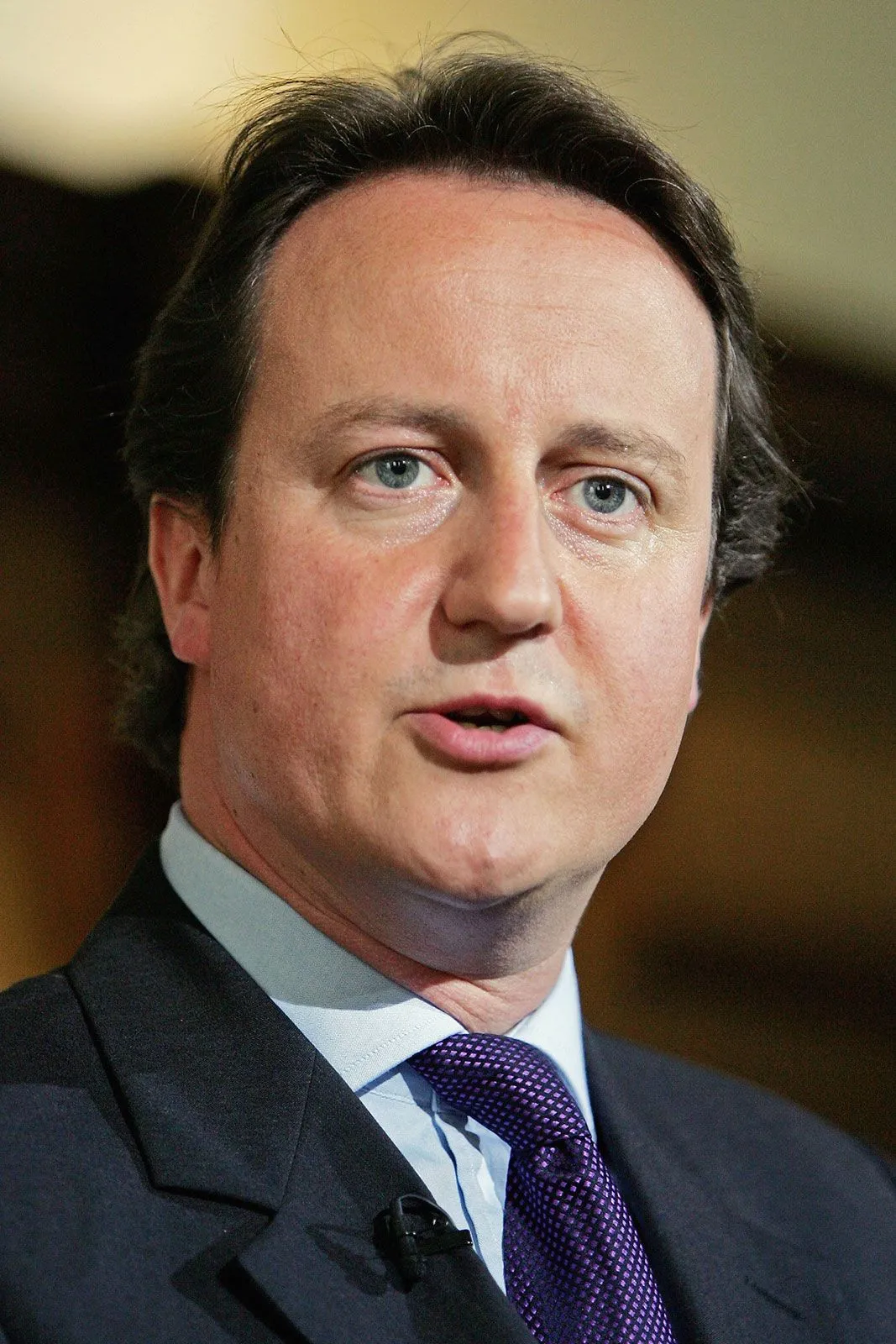 Photo: David Cameron, via cdn.britannica.com
What Brexit illustrates is the dangerous corollary to the plebiscite-as-theater model: when governments use the mechanism of direct democracy as a pressure valve rather than a genuine consultation, they occasionally miscalibrate the pressure. The population, accustomed to being consulted without being genuinely heard, takes an opportunity to make itself heard in terms the architects of the consultation did not anticipate. The result is not a vindication of direct democracy so much as a demonstration of what happens when the theater breaks the fourth wall.
The years of institutional paralysis that followed were not, as they were often described, a failure of democracy. They were the predictable consequence of using a democratic instrument as a management tool and then being surprised when it managed something unintended.
The American Ballot Initiative
The United States has its own version of this dynamic, operating at the state level through the ballot initiative process. The initiative was designed, in the Progressive Era, as a corrective to captured legislatures — a mechanism for giving citizens direct access to lawmaking when their representatives had been purchased by concentrated interests. It was, in its original conception, a genuinely populist instrument.
What has happened to it in practice is a case study in institutional capture. Well-funded interest groups — from pharmaceutical companies to real estate developers to ideological advocacy organizations — have learned to use the initiative process with the same sophistication that Napoleon's Interior Ministry brought to ratification arithmetic. The question framing, the signature-gathering infrastructure, the advertising campaigns that define what a yes or no vote means in practice — all of these are now professional operations, and the populations voting on them are frequently less informed about the actual policy content than the ballot language implies.
This is not a partisan observation. The technique is available to any sufficiently funded interest, and interests across the ideological spectrum have used it. The mechanism is neutral. The psychology it exploits is not.
What We Need to Believe
The persistence of the plebiscite, across radically different political systems and historical periods, points to something durable about human psychology: we need to feel that we chose. Not merely that our preferences were consulted, but that the outcome reflects a genuine act of collective will in which we participated. This need is so strong that populations will accept considerable stage management in exchange for the sensation of authentic choice.
Governments have known this for centuries. The question worth asking, in any given direct vote, is not whether the outcome was predetermined — often it was not, and genuine uncertainty is a real feature of democratic consultation. The question is what the architects of the vote needed the population to feel, and how much of the process was designed to produce that feeling rather than to measure genuine preference. Those are not always the same project. Knowing the difference is, at minimum, a useful habit of mind.