The Valve and the Weapon: How Pardon Lost Its Cooling Function
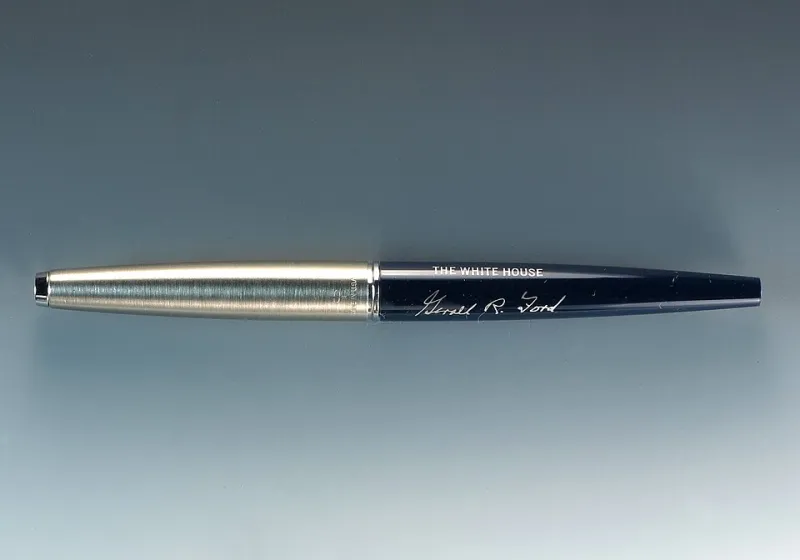
Photo: Unknown, Public domain, via Wikimedia Commons
In 403 BC, Athens was exhausted. The Peloponnesian War had ended in defeat, a brutal oligarchic regime had come and gone, and the city was divided between those who had collaborated and those who had resisted. The returning democrats could have pursued vengeance. Instead, they swore an oath not to recall past wrongs. The amnesty was not a gesture of sentimentality. It was a piece of political engineering designed to keep a broken city from tearing itself apart. The pardon was born as a pressure-release valve.
Amnesty as a Collective Act
The Athenian settlement was collective. It did not pardon one faction leader or one general. It covered a broad class of political offenses and made a public commitment to stop litigating the recent past. The point was to make reconciliation possible by removing the threat of endless prosecution. Roman practice contained similar ideas under the heading of clemency, and the English royal pardon later became a prerogative instrument for ending rebellions and restoring order. In each case, the pardon was used to cool a conflict rather than to win it.
The American Constitution inherited the form but individualized it. Article II grants the president the power to grant reprieves and pardons for offenses against the United States, except in cases of impeachment. The framers debated the scope of that power, but they generally treated it as a safety valve — a way to correct injustice, temper harsh laws, and restore peace after political conflict. George Washington used it to defuse the Whiskey Rebellion. Later presidents used amnesty to reconcile after the Civil War, and Jimmy Carter used it to close the book on draft evasion. These were not uncontroversial acts, but they shared a logic: the pardon was a tool for ending a fight.
The Shift to the Individual
The modern presidency has moved the pardon in a different direction. Clemency is now often individualized, televised, and transactional. A pardon can be announced as a personal decision, framed as an act of mercy or justice, and read by the public as a signal about the president's alliances and priorities. The shift is not absolute — collective amnesties still occur — but the center of gravity has changed. The pardon is less often a settlement between factions and more often a favor granted to a person.
That change matters because individualized clemency is easier to politicize. A collective amnesty is judged by whether it restores peace. A single pardon is judged by whether the recipient deserves it, whether the president was pressured into it, and what the grant implies about the administration's loyalties. Gerald Ford's pardon of Richard Nixon is the canonical example. Ford argued that the pardon was necessary to end the national ordeal. Critics argued that it was a deal that spared a powerful man the consequences of his actions. The debate was not really about Nixon's guilt. It was about whether the valve had been pointed at the right person.
When the Valve Is Welded Shut
History suggests that societies pay a price when the valve is welded shut. Regimes that refuse to pardon or amnesty after a conflict often find that the conflict does not end; it merely changes form. Prosecutions become weapons, and every change of power becomes a reckoning. The Athenian amnesty was designed to prevent exactly that outcome. It was not a denial of justice. It was a decision that the pursuit of justice had to be bounded if the city was to survive.
The contemporary American debate often treats clemency as a matter of individual morality. Should this person be forgiven? Does this case merit mercy? Those questions matter, but they are not the only ones. The older question is institutional: does the pardon power help the country end a conflict, or does it prolong one? A pardon that settles a dispute can be a public good. A pardon that rewards an ally can be a public wound. The difference is not always visible at the moment of the grant.
The Weapon That Looks Like Mercy
The most dangerous phase is not when the valve is closed. It is when the valve is pointed at the wrong people. A pardon used to protect a faction, silence a witness, or signal that some allies are above the law does not cool the system. It heats it. It tells the public that the rules are negotiable and that mercy is a currency. The result is not reconciliation but cynicism, and cynicism is the fuel that makes the next conflict hotter.
Athens understood that the pardon was a tool for managing a transition, not for rewarding a friend. The American system has inherited the tool but not always the discipline. The question for the next president, and the next Congress, is whether clemency will be treated as a constitutional safety valve or as another lever of partisan advantage. History does not answer that question. It only shows what happens when the answer is chosen badly.