The Translator's Shadow: How Information Gatekeepers Shape the Power They Serve
The Translator's Shadow: How Information Gatekeepers Shape the Power They Serve
In 1519, a young Nahua woman known to history as La Malinche stood between two worlds as Hernán Cortés negotiated with Aztec representatives. Her role seemed simple: translate Spanish into Nahuatl and back again, facilitating communication between the conquistadors and the indigenous leaders they encountered. But historical records suggest something far more complex was happening in those conversations.
 Photo: Hernán Cortés, via www.inloggenbij.nl
La Malinche wasn't just converting words—she was interpreting intentions, filtering cultural concepts that had no direct translation, and making split-second decisions about how to frame ideas that could determine the fate of empires. Every choice she made about how to render Spanish demands into Nahuatl, or how to explain Aztec responses to the conquistadors, shaped the trajectory of one of history's most consequential encounters.
She was, in effect, the first information algorithm: a human system for processing, filtering, and reformatting communication between different groups. And like every algorithm since, she was far from neutral.
The Indispensability Trap
Throughout history, every expanding empire has faced the same fundamental problem: how do you rule people you can't directly communicate with? The solution has always been the same—find local intermediaries who can bridge the linguistic and cultural gap. But this solution creates its own vulnerability: the more indispensable the translator becomes, the more power they accumulate over the information flow.
The Ottoman Empire understood this dynamic better than most. Their dragoman system—professional interpreters who served as intermediaries between the Ottoman court and foreign diplomats—was carefully structured to prevent any single translator from becoming too powerful. Multiple dragomans would often work together on important negotiations, creating redundancy that made manipulation more difficult.
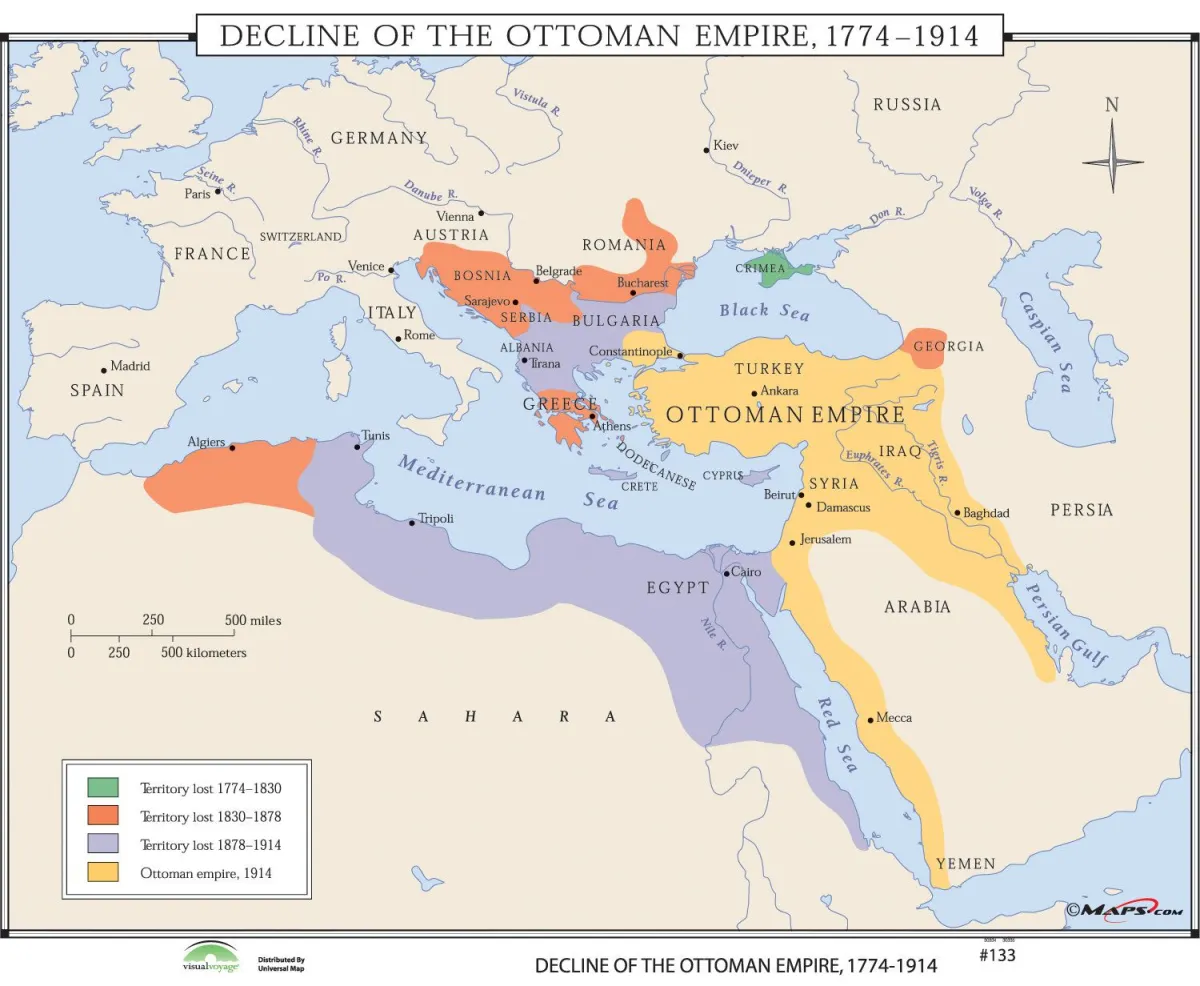 Photo: Ottoman Empire, via i.pinimg.com
But even these safeguards had limits. Ottoman archives reveal numerous instances where dragomans shaped policy by selectively translating information, emphasizing certain diplomatic messages while downplaying others, or providing cultural context that pushed negotiations in directions that served their own interests. The empire's rulers understood they were dependent on these intermediaries, but they never fully solved the problem of how to monitor people who controlled their access to information.
The Digital Dragomans
Modern technology has scaled the translator problem to civilizational proportions. Social media algorithms, search engine rankings, and content moderation systems all function as digital dragomans—intermediaries that claim to neutrally transmit information while actually shaping what billions of people see, when they see it, and how it's framed.
The parallels to historical translation problems are striking. Just as Ottoman dragomans could influence policy by choosing which diplomatic messages to emphasize, contemporary algorithms influence political discourse by determining which stories trend, which viewpoints get amplified, and which voices get heard. The difference is scale: where historical translators might influence the decisions of a few dozen rulers, digital platforms shape the information environment for entire populations.
Facebook's internal documents, revealed through various whistleblower disclosures, show the same dynamic that Ottoman sultans faced: platform executives often don't fully understand how their own algorithms are filtering information. The systems have become so complex that even their creators can't predict how changes to the code will affect the information that users receive.
The Saboteur's Advantage
History reveals that translators don't just passively filter information—they actively shape it. During the Spanish conquest of Mexico, indigenous interpreters sometimes deliberately mistranslated conquistador demands, either to protect their own communities or to manipulate the Spanish into making tactical errors. The conquistadors, lacking any independent way to verify translations, remained largely unaware of this manipulation.
This pattern repeats across cultures and centuries. During the Opium Wars, Chinese interpreters working for British forces occasionally provided misleading translations of Chinese military communications, sometimes to protect Chinese forces and sometimes to advance their own interests. American forces in Vietnam faced similar challenges with South Vietnamese interpreters who had their own political loyalties and family connections that influenced how they translated captured documents or interrogation sessions.
The fundamental problem is asymmetric information: the people who need translation services can't independently verify the accuracy of what they're receiving. This creates enormous opportunities for manipulation by anyone who controls the translation process.
The Modern Information Layer
Contemporary politics operates through multiple translation layers that most participants don't even recognize as such. Cable news networks function as interpreters between complex policy developments and public understanding. Congressional staff translate between constituent concerns and legislative language. Think tank researchers translate between academic findings and policy recommendations.
Each of these translation steps introduces opportunities for the same kind of manipulation that historical interpreters practiced. A cable news producer deciding which expert to interview is making translation choices about how to frame a story. A congressional staffer choosing which constituent letters to forward to their boss is filtering information just like an Ottoman dragoman.
The explosion of digital media has multiplied these translation layers exponentially. A single news event now passes through dozens of intermediary systems—reporters, editors, social media algorithms, fact-checkers, aggregation sites—before reaching most citizens. Each step in this process involves human or algorithmic choices about emphasis, framing, and priority that shape the final information product.
The Institutional Response
Smart institutions have always recognized the translator problem and developed systems to address it. The Roman Empire required important documents to be translated by multiple independent interpreters, comparing results to identify potential manipulation. Medieval Islamic courts used similar redundancy systems for diplomatic communications.
Modern democracies have developed their own version of these safeguards: independent media, fact-checking organizations, academic research, and competitive political parties all serve as alternative information sources that can challenge dominant narratives. But these systems assume that citizens have the time, skills, and motivation to seek out multiple sources—an assumption that digital media has made increasingly questionable.
The Algorithmic Sovereignty Problem
The most concerning aspect of contemporary translation problems is their opacity. Historical rulers could at least observe their interpreters directly, watching for signs of manipulation or bias. Modern citizens have no equivalent visibility into how digital algorithms are filtering their information.
When a search engine determines which news articles appear first in results, or when a social media platform decides which posts get promoted in users' feeds, these are translation decisions that shape public discourse. But unlike historical interpreters, algorithmic systems operate at a scale and speed that makes human oversight nearly impossible.
This creates a new form of the old dragoman problem: democratic societies are becoming dependent on information intermediaries that they can't effectively monitor or control. The companies that operate these systems insist they're neutral platforms, but their internal documents consistently reveal editorial decisions about content promotion, suppression, and framing.
The Eternal Intermediary
What five thousand years of translation problems teach us is that information intermediaries are both necessary and dangerous. Societies can't function without systems for processing and filtering information, but every such system creates opportunities for manipulation by whoever controls it.
The solution isn't to eliminate intermediaries—that's impossible in any complex society. The solution is to recognize that translation is always interpretation, and interpretation always involves power. Whether we're talking about Aztec interpreters, Ottoman dragomans, or Silicon Valley algorithms, the same principle applies: whoever controls the information flow shapes the decisions that flow from it.
For contemporary Americans navigating an increasingly complex information environment, the historical lesson is clear: pay attention to who's doing the translating. The most important political question isn't what information you're receiving—it's who decided you should receive it, and what they might have chosen to leave out.