The Writer's Contract: How Power Has Always Purchased Its Own Story
The Writer's Contract: How Power Has Always Purchased Its Own Story
When Augustus commissioned Virgil to write the Aeneid, he wasn't censoring alternative narratives about Roman history. He was investing in something far more valuable: a story so compelling that future generations would choose to believe it. The epic poem that emerged didn't just glorify Augustus—it made readers feel privileged to participate in the Roman imperial project through the act of reading.
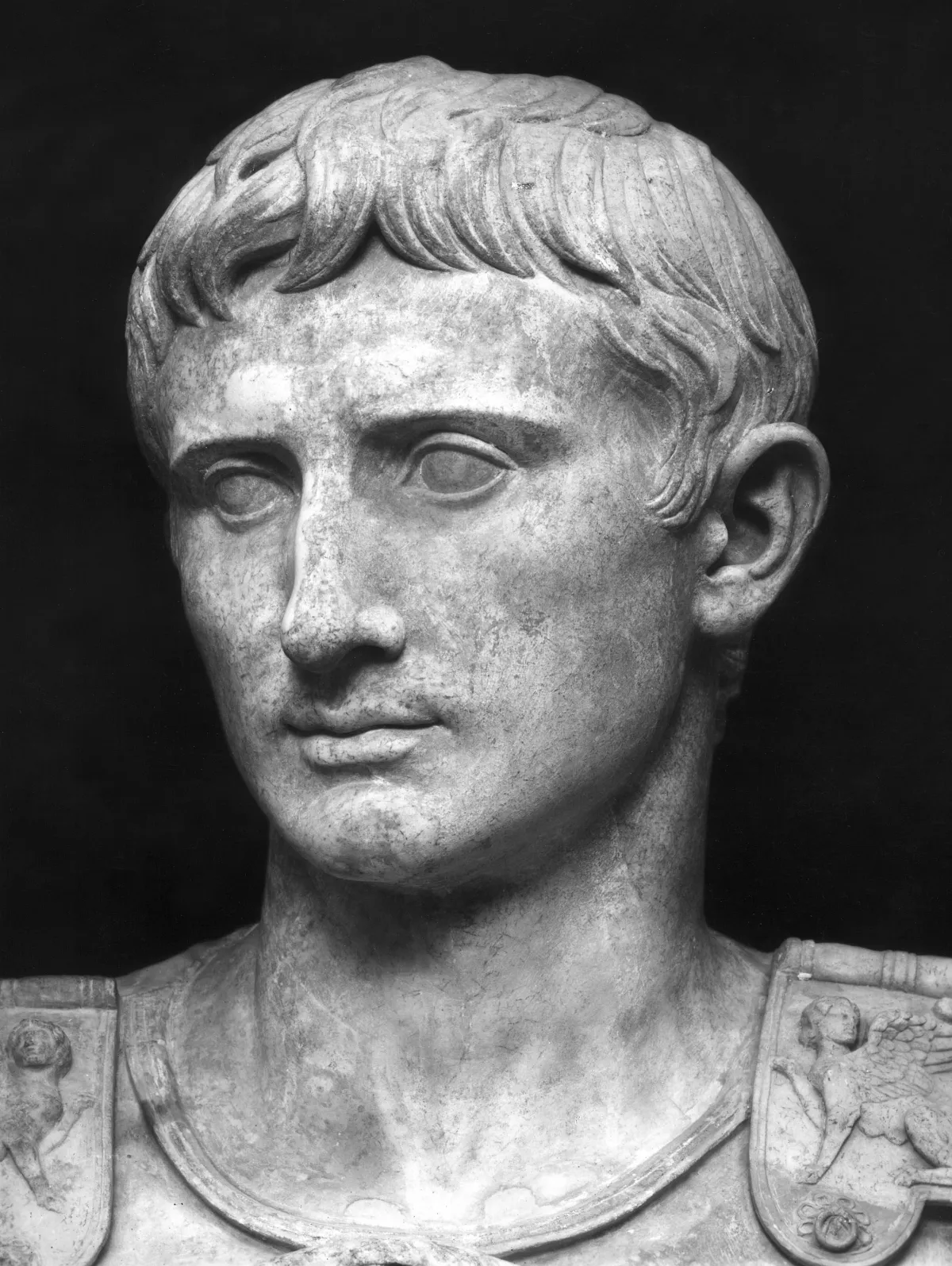 Photo: Augustus, via i.pinimg.com
This represents the oldest and most effective form of media management: not controlling what writers say, but making them want to say what serves power's interests. The techniques Augustus pioneered still structure the relationship between authority and its chroniclers, from campaign documentaries to authorized biographies to the embedded journalism that shapes coverage of military conflicts.
The Scribe's Dilemma
Writers have always faced a fundamental economic reality: someone must pay for the time and resources required to research, write, and distribute their work. In most historical periods, only powerful institutions possessed sufficient wealth to support large-scale literary production. This created an inevitable dynamic where writers who wanted to reach significant audiences needed patronage from the very subjects they were documenting.
Ancient Egypt provides the clearest example of this relationship. Pharaonic scribes didn't simply record events—they crafted narratives that reinforced divine kingship while providing readers with vicarious participation in cosmic order. The scribes weren't lying about pharaonic achievements; they were selecting which achievements to emphasize and framing them in ways that made Egyptian civilization appear uniquely blessed by the gods.
Similarly, medieval chroniclers depended on royal and ecclesiastical patronage for access to libraries, writing materials, and copying services necessary to produce manuscripts. Their histories naturally emphasized the divine sanction behind their patrons' authority while portraying opposing rulers as usurpers who violated natural order.
The Renaissance Innovation
The printing press created new possibilities for independent authorship, but also new opportunities for sophisticated patronage. Renaissance princes discovered that commissioning multiple writers to tell similar stories created an appearance of independent confirmation that was more persuasive than obvious propaganda.
The Medici family perfected this technique by supporting dozens of humanist scholars who produced histories, poetry, and political treatises that portrayed Florentine republicanism as the natural heir to classical democracy. These writers weren't instructed to produce specific arguments—they were provided with access to classical texts, comfortable working conditions, and social status that naturally aligned their interests with Medici political objectives.
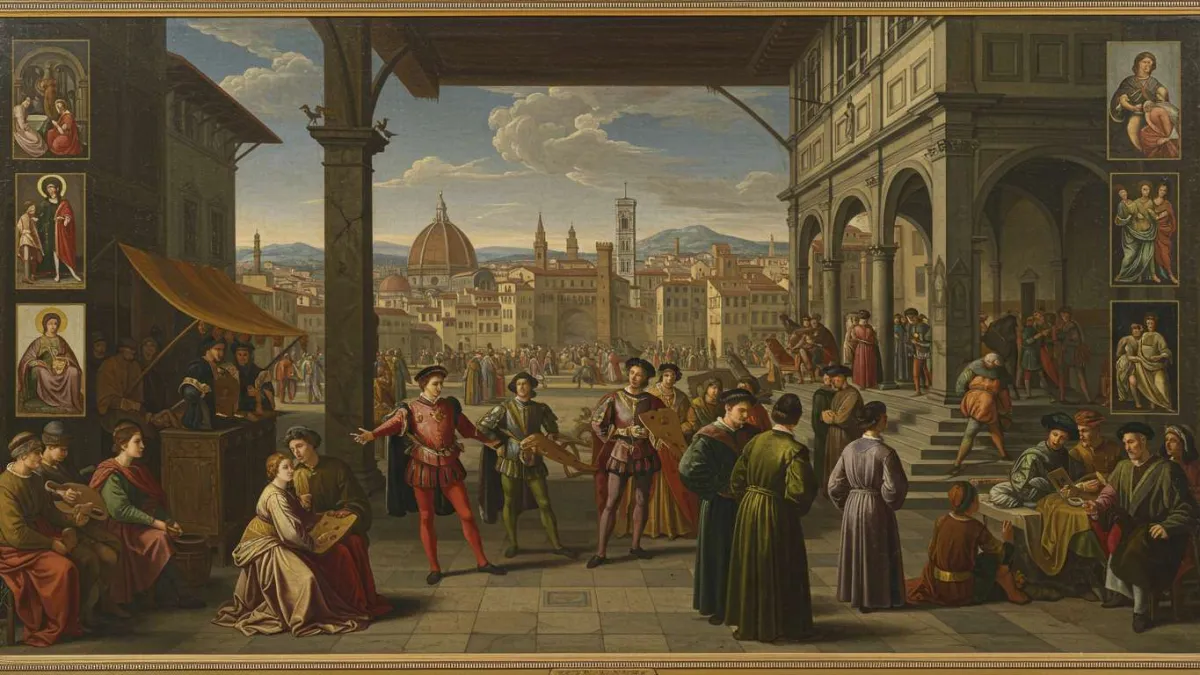 Photo: Medici family, via gertitashkomd.com
This model proved more durable than direct censorship because it produced genuine intellectual conviction rather than grudging compliance. Humanist scholars really believed that Medici Florence represented classical ideals, partly because their research conditions encouraged them to focus on evidence that supported that conclusion.
The Modern Apparatus
Contemporary political campaigns have systematized these Renaissance innovations through rapid-response teams, opposition research departments, and narrative management specialists who coordinate messaging across multiple media platforms. But the underlying psychology remains identical: make writers feel like participants in something historically significant rather than mere employees.
Consider the embedded journalism programs that have shaped American military coverage since Vietnam. Rather than simply restricting press access, Pentagon officials realized that reporters who lived alongside military units would naturally develop personal relationships that influenced their coverage. Journalists weren't instructed to write favorable stories—they were placed in situations where writing unfavorable stories would feel like betraying people who had shared their dangers.
This approach proved far more effective than traditional censorship because it produced coverage that appeared independent while serving military public relations objectives. Embedded reporters genuinely believed they were providing authentic battlefield perspectives, even when those perspectives systematically excluded information that might undermine public support for military operations.
The Biography Business
Authorized political biographies represent the purest expression of purchased narrative. Publishers offer substantial advances for books that provide "inside access" to major political figures, but this access comes with implicit expectations about tone and content. Authors who write critical authorized biographies rarely receive cooperation for future projects.
The result is a publishing ecosystem where the most commercially successful political biographies are written by authors who have developed ongoing relationships with their subjects' inner circles. These relationships create financial incentives for sympathetic coverage that operate independently of any explicit editorial control.
Bob Woodward's career exemplifies this dynamic. His continued access to high-level government officials depends partly on writing books that make those officials appear serious and competent, even when documenting their failures. Woodward's sources cooperate because his books enhance their historical reputations while providing them with opportunities to shape public understanding of controversial decisions.
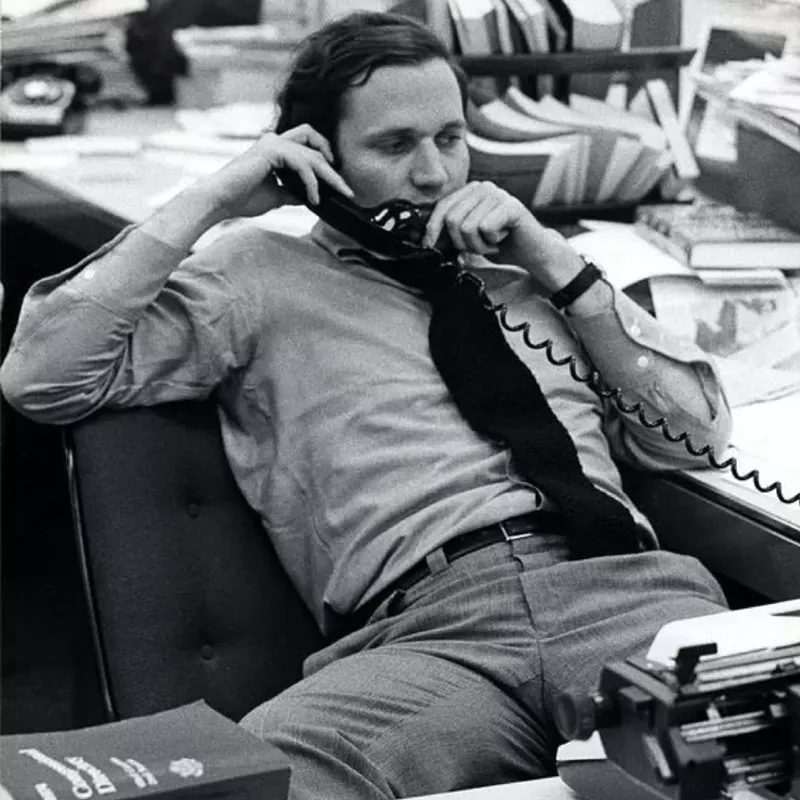 Photo: Bob Woodward, via img.artlogic.net
The Documentary Delusion
Political documentaries have become particularly sophisticated vehicles for purchased narrative because they combine the apparent objectivity of journalism with the emotional engagement of entertainment. Campaign documentaries like "The War Room" or "Knock Down the House" present themselves as behind-the-scenes journalism while functioning as extended campaign advertisements.
Filmmakers gain access to political campaigns by convincing candidates that documentaries will enhance their historical legacies. This creates selection bias toward campaigns that appear historically significant and toward moments within those campaigns that support heroic narratives. Boring competence doesn't generate documentary funding; dramatic struggle against overwhelming odds does.
The resulting films aren't technically dishonest—they accurately document the events they choose to include. But the selection and framing of those events serves campaign objectives while appearing to emerge from independent journalistic judgment.
The Social Media Evolution
Digital platforms have democratized access to audiences but haven't eliminated the economic dynamics that shape writer-power relationships. Instead, they've created new forms of purchased narrative through influencer marketing, sponsored content, and algorithmic amplification of preferred messages.
Political organizations now employ teams of social media specialists who identify influential online writers and offer them exclusive access, advance information, or direct financial compensation in exchange for favorable coverage. These relationships often develop gradually through repeated interactions that build personal loyalty before any explicit quid pro quo emerges.
The result is online political coverage that appears to emerge from grassroots enthusiasm while actually reflecting coordinated messaging strategies. Writers genuinely believe they're providing independent commentary because the financial and social incentives that shape their perspectives operate below the level of conscious decision-making.
The Psychological Architecture
The most effective purchased narrative never feels purchased to the writer producing it. Instead, it emerges from institutional arrangements that make serving power's interests feel like serving truth, justice, or historical importance. Writers want to believe they're documenting significant events and important people; power structures want to be documented in ways that enhance their legitimacy.
This alignment of interests creates self-reinforcing cycles where writers seek access to power because it provides better stories, while power provides access to writers because it shapes public narratives. Neither side experiences this as corruption because both sides receive genuine value from the exchange.
The writer gets exclusive information, social status, and financial compensation. Power gets favorable coverage that appears to emerge from independent judgment. The public gets professionally produced content that serves entertainment and information needs while subtly shaping political perceptions.
The Eternal Return
Augustus understood that the most durable propaganda doesn't feel like propaganda to its creators or consumers. The Aeneid succeeded because Virgil genuinely believed in the Roman imperial mission and because readers genuinely enjoyed the poem's literary merits. The political messaging was embedded within authentic artistic and intellectual achievement.
Contemporary media operates according to the same principle. The most effective political narratives emerge from writers who believe in their subjects and produce content that serves audience interests while advancing political objectives. This isn't a conspiracy—it's a market mechanism that has operated for five thousand years.
The writer's contract with power hasn't changed since ancient Egypt: provide favorable coverage in exchange for access, status, and financial support. What has changed is the sophistication of the mechanisms that make this contract feel like something else.