When Martyrdom Becomes Policy: The Numantian Syndrome in American Politics

For fourteen years, the Iberian city of Numantia held off the Roman legions through tactical brilliance and stubborn resistance. When Scipio Aemilianus finally surrounded the city with an impenetrable siege wall in 133 BC, Numantian leaders faced a choice: negotiate surrender terms that would preserve their people's lives, or maintain absolute resistance regardless of consequences.
They chose to burn their city to the ground, killing every inhabitant rather than submit to Roman rule. Two millennia later, Spanish dictator Francisco Franco claimed Numantia as the spiritual ancestor of his regime. The city that chose death over compromise had become the perfect symbol for politicians who mistake inflexibility for virtue.
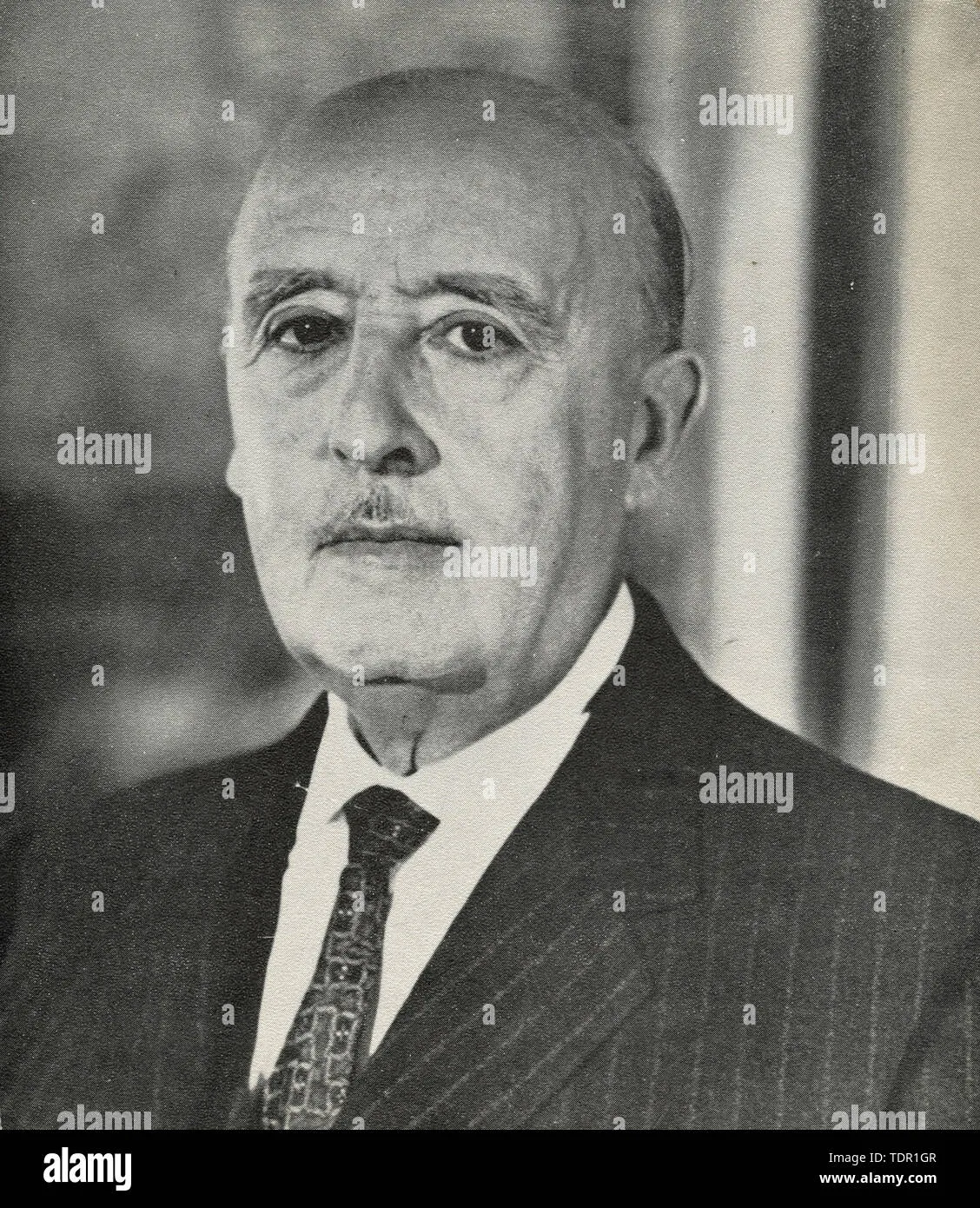 Photo: Francisco Franco, via c8.alamy.com
The Seductive Logic of Total Resistance
Numantia's choice appears heroic because it eliminates the messy calculations that define normal politics. Instead of weighing competing interests, measuring achievable outcomes, or accepting partial victories, the Numantian model offers moral clarity: either you win completely or you refuse to participate in a corrupted system.
This logic has deep psychological appeal. Compromise requires acknowledging that your opponents might have legitimate concerns, that perfect solutions rarely exist, and that achieving something meaningful often requires accepting something distasteful. Total resistance offers escape from these uncomfortable realities by reframing political engagement as a battle between absolute good and absolute evil.
The problem is that politics—unlike warfare—rarely offers situations where one side can achieve total victory without destroying the system that makes victory meaningful. Numantia's resistance was militarily rational because Romans would have enslaved or killed them anyway. Most political conflicts involve disputes between groups that must continue living together after the immediate crisis passes.
The Confederate Precedent
The American Civil War provides the clearest example of Numantian logic applied to domestic politics. By 1864, Confederate leadership faced the same choice that confronted Numantia: negotiate terms that would preserve something of their social system, or maintain absolute resistance until complete destruction.
Robert E. Lee and other Confederate generals increasingly favored negotiated settlement that would end slavery but preserve some form of Southern political autonomy. Confederate President Jefferson Davis and the Richmond government chose the Numantian path: total resistance until total victory, regardless of casualties.
The result was Sherman's March to the Sea, the devastation of Virginia, and ultimately harsher Reconstruction policies than would have emerged from earlier negotiation. The Confederacy's refusal to compromise when compromise was possible led directly to the complete elimination of Southern political power that Davis claimed to be defending.
Yet Lost Cause mythology transformed this strategic disaster into romantic martyrdom. The Confederacy's willingness to fight until complete destruction became evidence of superior moral commitment rather than catastrophic political judgment.
Prohibition's Impossible Choice
The Prohibition era demonstrates how Numantian thinking operates in less dramatic circumstances. By 1929, it was clear that alcohol prohibition had failed to reduce drinking while successfully creating a massive criminal economy and corrupting law enforcement nationwide.
Rational policy would have acknowledged this failure and crafted compromise solutions: perhaps allowing beer and wine while maintaining restrictions on hard liquor, or implementing state-by-state experimentation with different regulatory approaches. Instead, Prohibition advocates chose the Numantian path: maintain absolute prohibition regardless of consequences, because any compromise would validate the immoral choice to consume alcohol.
The result was another decade of criminal violence, political corruption, and social division that ended only with complete repeal of the 18th Amendment. The all-or-nothing approach guaranteed that Prohibition advocates lost everything rather than preserving partial restrictions that might have survived.
Contemporary Gridlock
Modern American politics has institutionalized Numantian logic through primary systems that reward ideological purity over legislative effectiveness. Politicians who negotiate across party lines face immediate challenges from "more principled" candidates who promise never to compromise with the opposing side.
The debt ceiling crises of recent decades follow this pattern precisely. Rather than negotiate spending priorities through normal budgetary processes, both parties have used the debt ceiling as an opportunity to demand total victory on their entire policy agenda. The result has been repeated threats of government default that damage American credit ratings and economic stability without achieving any party's actual objectives.
Similarly, immigration reform has been trapped in Numantian logic for decades. Comprehensive solutions require acknowledging that both increased border security and pathways to legal status serve legitimate interests. Instead, both sides have preferred to maintain absolute positions that prevent any progress while providing campaign material about the other side's extremism.
The Psychology of Political Martyrdom
Numantian politics appeals to politicians because it eliminates the personal responsibility that comes with governing. When you refuse all compromise, you never have to defend the practical consequences of your decisions. Every policy failure can be attributed to insufficient commitment to your principles rather than flaws in the principles themselves.
This dynamic is particularly attractive to politicians whose primary constituency consists of ideological activists rather than voters who experience the practical consequences of government dysfunction. Activists often prefer dramatic gestures of resistance to incremental policy improvements, because dramatic gestures provide clearer signals of tribal loyalty.
The media environment reinforces these incentives by providing more coverage for political conflict than for legislative compromise. A politician who threatens to shut down the government receives more attention than one who crafts a bipartisan solution to a complex problem. This attention translates into fundraising opportunities and name recognition that benefit political careers even when the underlying tactics damage governance.
The Cost of Impossible Purity
Numantia's choice was genuinely heroic because Romans offered no terms that would have preserved Numantian independence. Most contemporary American political conflicts involve disputes where both sides could achieve significant portions of their objectives through negotiated compromise.
The insistence on total victory typically results in total defeat. Confederate resistance after 1864 led to harsher Reconstruction than would have emerged from earlier surrender. Prohibition advocates' refusal to accept partial restrictions led to complete repeal. Contemporary debt ceiling standoffs have weakened both parties' ability to implement their preferred fiscal policies.
More fundamentally, Numantian politics destroys the social trust that makes democratic governance possible. When political opponents are treated as existential enemies rather than fellow citizens with different priorities, the shared institutions that enable peaceful resolution of disputes begin to break down.
The Alternative to Martyrdom
Effective politics requires accepting that your opponents will sometimes win, that perfect solutions rarely exist, and that preserving the system that allows future political competition matters more than achieving total victory in any particular dispute.
This doesn't mean abandoning core principles—it means distinguishing between principles worth preserving and tactical positions worth negotiating. Numantia chose to die rather than live under Roman rule. American politicians who treat routine legislative disputes as equivalent moral choices are confusing the drama of martyrdom with the responsibility of governance.
The city that burned itself to avoid compromise has inspired politicians for two thousand years. Perhaps it's time to ask whether inspiration should come from those who chose destruction, or from those who found ways to preserve something worth saving.