The Economics of Betrayal: Why Governments Always Make Loyalty Unprofitable

In 1961, East German teenager Peter Fechter made a calculation. His government offered him steady employment, a small apartment, and social standing in exchange for reporting on his neighbors' private conversations. His alternative was keeping quiet and hoping his friends would do the same. Fechter chose the Stasi payroll. By 1989, one in three East Germans had made similar calculations.
Fechter wasn't uniquely evil. He was responding to incentives that every consolidating power structure eventually discovers: make betrayal more profitable than solidarity, and ordinary people will restructure their entire social world around it.
The Universal Architecture of Informants
The mechanics never change, only the technology. In Stalin's Soviet Union, twelve-year-old Pavlik Morozov became a national hero for denouncing his father to authorities—and the state spent decades promoting his story in schools. During China's Cultural Revolution, children earned social advancement by reporting their teachers' "reactionary" comments. In Vichy France, neighbors collected bounties for identifying hidden Jews. In colonial America, Patriot committees offered rewards for exposing Loyalist sympathizers.
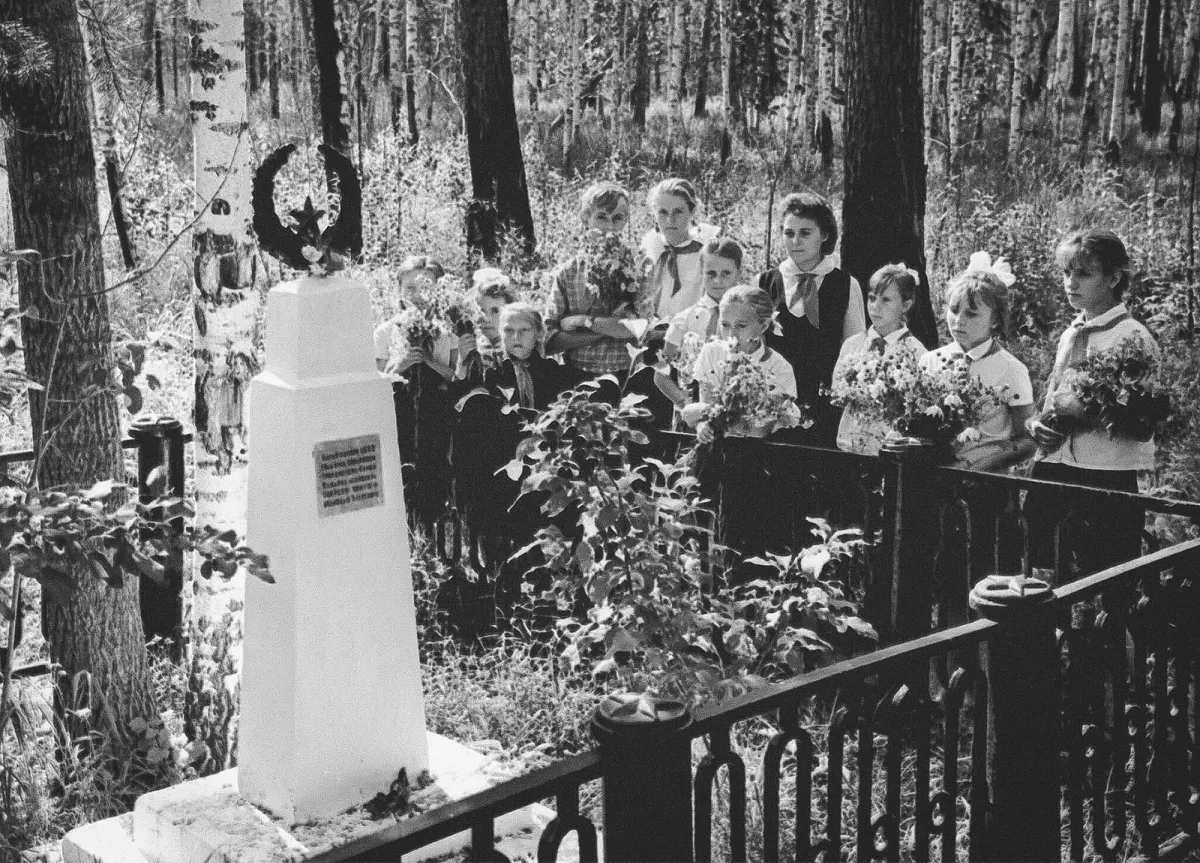 Photo: Pavlik Morozov, via mf.b37mrtl.ru
The pattern transcends ideology because it serves a deeper function than mere surveillance. Informant networks don't just gather information—they atomize communities. When anyone might be reporting to authorities, social bonds dissolve into individual calculations of risk and reward.
Consider the psychological architecture at work. Traditional societies organize around extended trust networks: family, neighborhood, religious community, professional guild. These networks create alternative sources of authority, mutual aid, and identity that compete with state power. The informant system methodically destroys this competition by making every relationship potentially dangerous.
The Profitability Problem
Governments face a fundamental challenge when building informant networks: they must make betrayal more attractive than the natural human inclination toward group loyalty. This requires careful economic engineering.
First, the material rewards. East Germany's Stasi didn't just pay informants—they provided access to Western goods, better housing assignments, and university admissions for their children. Stalin's regime offered similar packages: better jobs, protection from purges, and social mobility otherwise unavailable to peasant families.
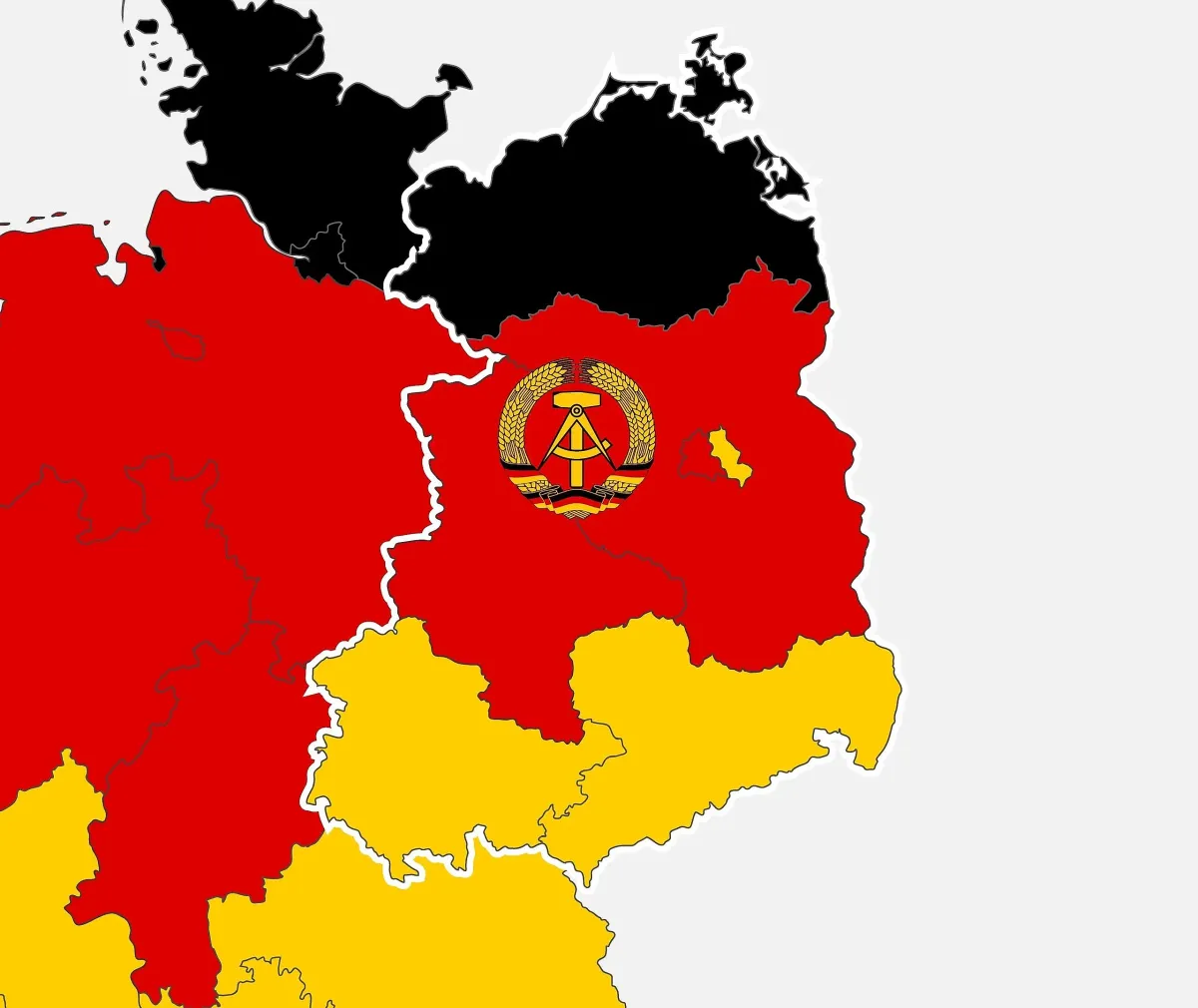 Photo: East Germany, via www.worldatlas.com
Second, the social rewards. Successful informants weren't just compensated; they were celebrated. The Soviet Union turned Pavlik Morozov into a cultural icon, with statues, songs, and school curricula dedicated to his memory. Vichy France published the names of successful informants in newspapers, portraying them as patriotic citizens protecting their communities from foreign influence.
Third, the protection racket. Informant systems create their own demand by making everyone potentially suspect. Once neighbors begin reporting each other, the only safety lies in demonstrating loyalty through reporting others. The system becomes self-perpetuating because non-participation signals guilt.
The American Precedent
Americans often imagine informant cultures as distinctly foreign phenomena, but the same dynamics operated throughout U.S. history. During the Revolutionary War, Patriot committees offered bounties for identifying Loyalists and confiscated their property for redistribution. The rewards were substantial: entire farms, businesses, and estates changed hands based on neighbor testimony.
The Civil War saw similar patterns. Both Union and Confederate authorities relied heavily on civilian informants to identify enemy sympathizers, draft dodgers, and spies. The Union's Provost Marshal system paid civilians for reporting draft evasion, while Confederate authorities offered exemptions from military service in exchange for intelligence gathering.
The Red Scare periods of the early and mid-20th century demonstrated how quickly American communities could adopt informant dynamics. The House Un-American Activities Committee relied heavily on citizen reports, while FBI programs like COINTELPRO systematically recruited civilian informants within political organizations. The rewards included employment protection, legal immunity, and social standing within anti-communist networks.
The Psychology of the Willing Betrayer
Informants aren't typically sadistic personalities seeking to harm others. They're rational actors responding to systematically skewed incentives. Research on East German Stasi files reveals that most informants were motivated by combinations of material need, social ambition, and genuine ideological conviction that their actions served the greater good.
This rationality makes informant systems more dangerous than random persecution. When betrayal becomes economically logical, it spreads through communities like a market mechanism. People begin calculating the relative costs and benefits of loyalty versus reporting, and once enough individuals choose reporting, the social fabric unravels completely.
The most successful informant systems convince participants that they're protecting their communities rather than destroying them. Stasi informants genuinely believed they were safeguarding East German socialism from Western corruption. American colonial Loyalist-hunters convinced themselves they were defending freedom from British tyranny. The cognitive dissonance required to maintain these beliefs actually strengthens commitment to the system.
The Endgame
Informant networks eventually consume themselves. As social trust disappears, economic productivity declines, innovation stops, and the very communities the system claims to protect begin to hollow out. East Germany's economy stagnated partly because workplace informant networks destroyed the informal cooperation that makes organizations function. Stalin's purges eliminated so many competent administrators that basic government functions began failing.
But by then, the political purpose has been served. Informant systems don't exist to improve governance—they exist to eliminate alternative sources of social authority. Once traditional community bonds are severed, populations become easier to control through direct state mechanisms.
The informer isn't history's monster. He's history's most reliable indicator that a government has decided its citizens' natural loyalties are incompatible with its survival. When betrayal becomes more profitable than solidarity, the society that emerges may be more controllable, but it's no longer recognizably the same community that existed before.