The Moment of Truth
In the summer of 1944, a group of Wehrmacht officers faced a choice that has confronted military leaders for millennia: obey their government or save their country. The July 20 plot against Hitler failed, but it illustrated a pattern that stretches back to the Roman legions who refused to march on their own cities. When governments demand actions that violate a military's understanding of its core purpose, individual conscience becomes the final arbiter—and history turns on personal decisions made in rooms with no witnesses.
The American military has never faced this ultimate test, but the psychological framework that would govern such a moment already exists. It lives in the oath every officer takes to "support and defend the Constitution," not the person who happens to occupy the presidency. This distinction seems academic until it isn't.
The Praetorian Pattern
Rome's Praetorian Guard offers the clearest historical template for how elite military units navigate the tension between personal loyalty and institutional duty. Originally created to protect the emperor, the Guard eventually became the institution that decided which emperors deserved protection. Between 27 BCE and 476 CE, Praetorians assassinated thirteen emperors and elevated dozens more to power.
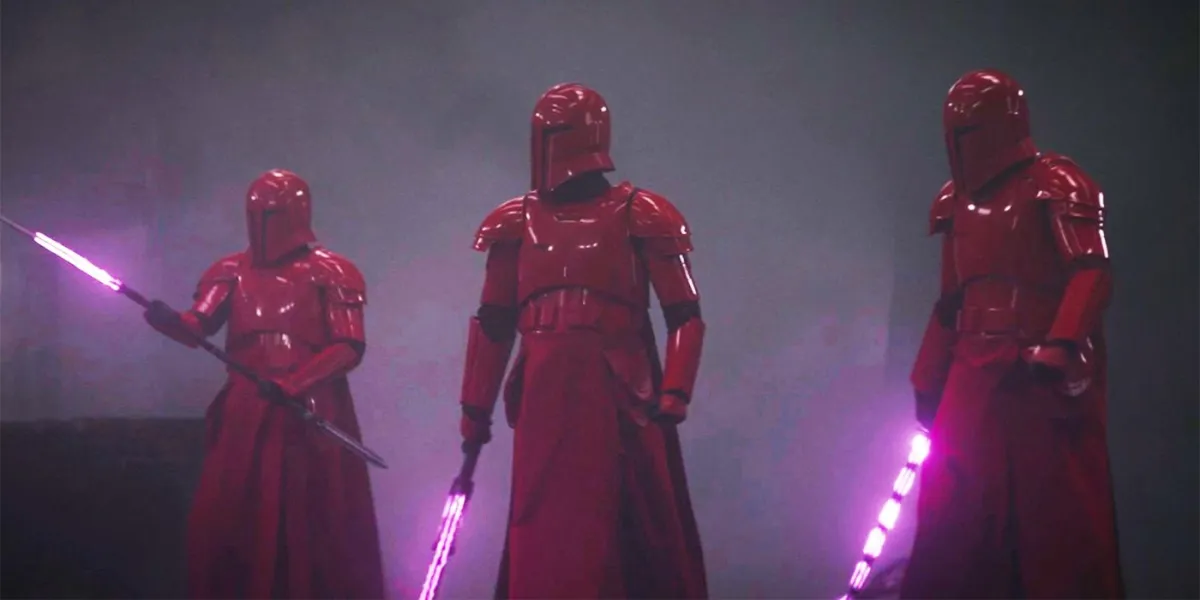 Photo: Praetorian Guard, via static1.colliderimages.com
The Guard's evolution reveals a fundamental truth about professional militaries: they develop their own institutional interests that may diverge from those of their civilian masters. When Emperor Caligula demanded that his horse be made consul, the Praetorians initially complied. When he threatened to move the capital to Alexandria and abandon Rome entirely, they killed him. The line between eccentric leadership and existential threat to the state proved surprisingly clear in practice, even if it was impossible to define in advance.
Modern militaries face the same psychological pressures. The German Bundeswehr's post-war doctrine explicitly requires soldiers to disobey illegal orders, a direct response to the "just following orders" defense that collapsed at Nuremberg. But this places enormous moral burden on individual soldiers to make legal and ethical judgments in real time, often without access to complete information.
The American Exception?
The United States military has cultivated a culture of civilian control so strong that it has become a source of national pride. Generals retire rather than publicly disagree with presidents. The Chairman of the Joint Chiefs serves as an advisor, not a decision-maker. Military coups remain literally unthinkable in American political discourse.
Yet this culture rests on assumptions that have never been truly tested. American civil-military relations assume that civilian leaders will remain within certain bounds—that they will not order the military to fire on American cities, suspend the Constitution, or use nuclear weapons casually. The system has no formal mechanism for military resistance because it assumes such resistance will never be necessary.
History suggests this assumption may be dangerously naive. The Roman Republic operated under similar assumptions for centuries before Julius Caesar crossed the Rubicon. The German officer corps prided itself on political neutrality right up until it found itself serving a regime that demanded participation in genocide.
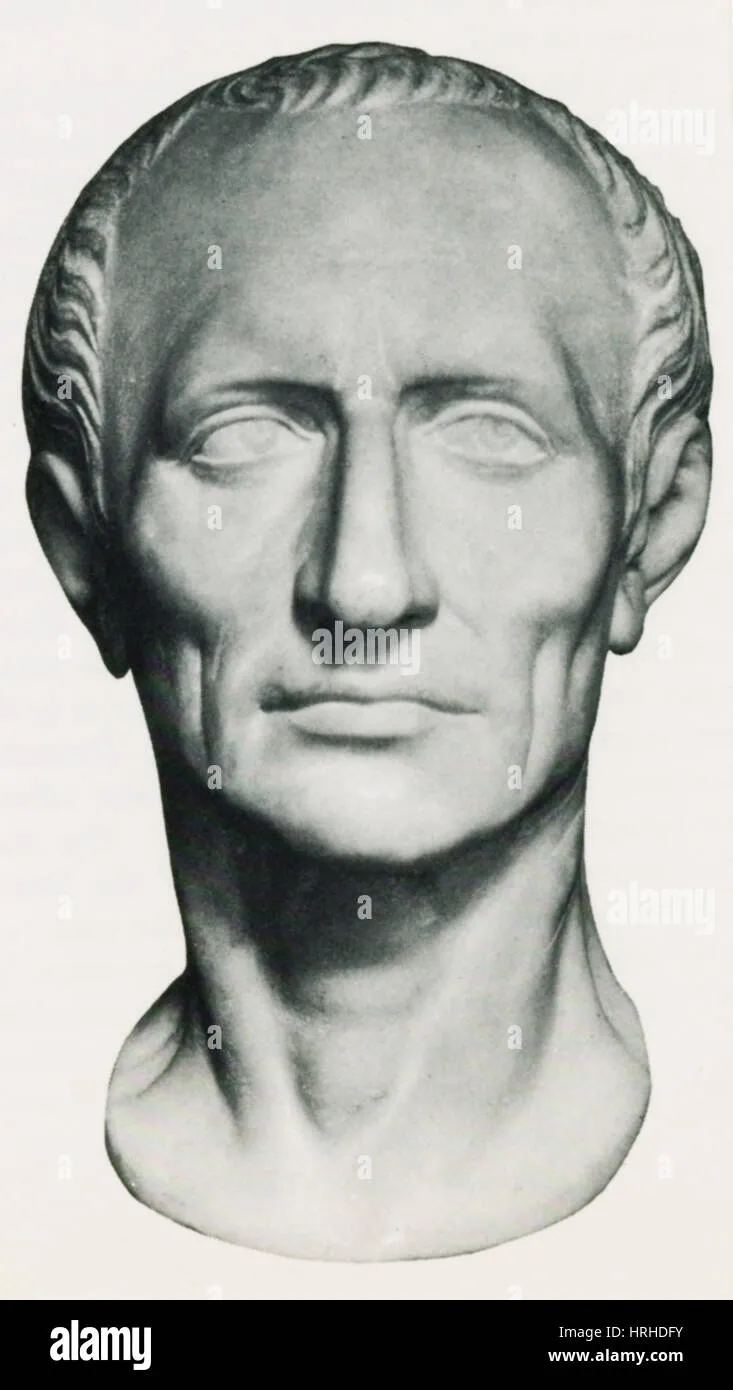 Photo: Julius Caesar, via c8.alamy.com
The Psychology of Refusal
What actually happens when professional soldiers must choose between obedience and conscience? Historical evidence points to a consistent pattern: the decision almost always comes down to a small group of senior officers making personal judgments about where their ultimate loyalty lies.
During the 1991 Soviet coup attempt, KGB Chairman Vladimir Kryuchkov and Defense Minister Dmitry Yazov ordered elite units to storm the Russian White House where Boris Yeltsin was making his stand. The commanders of those units—Alpha Group and the Taman Division—simply refused. They had decided that their oath was to the Soviet Union, not to the individuals claiming to speak for it.
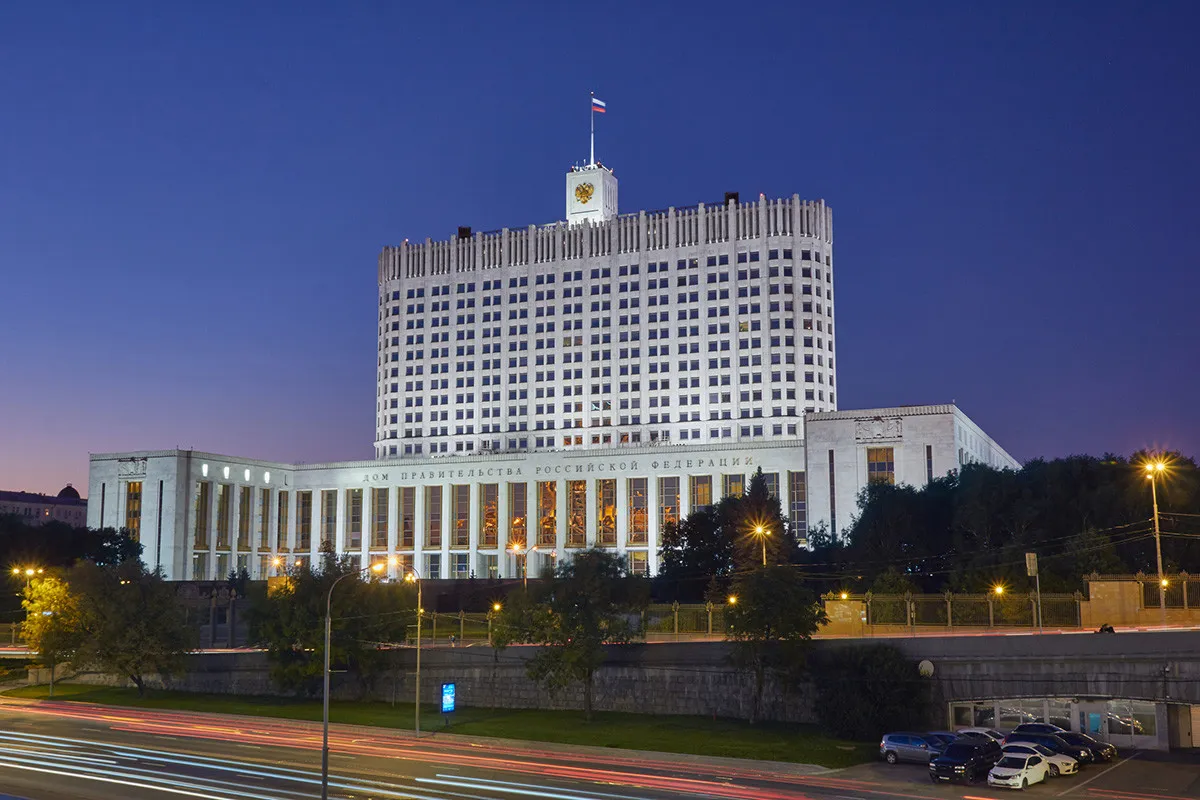 Photo: Russian White House, via cdni.rbth.com
Similarly, when Turkish President Erdogan faced a coup attempt in 2016, the outcome hinged on which military commanders remained loyal to the civilian government and which joined the conspirators. The coup failed not because of abstract constitutional principles, but because specific generals made specific choices about which side represented legitimate authority.
The Individual Behind the Institution
This pattern reveals an uncomfortable truth about military institutions: they are ultimately collections of individuals making personal moral judgments. No amount of doctrine, training, or institutional culture can eliminate the human element when conscience conflicts with command.
The American military's culture of civilian control is real and powerful, but it depends on the continued belief among military leaders that civilian authority remains legitimate and constitutional. Should that belief erode—whether through civilian overreach or external crisis—the same psychological forces that shaped the Praetorian Guard will reshape American civil-military relations.
The Unknowable Threshold
Every professional military has a breaking point where institutional loyalty overcomes personal obedience. The terrifying reality is that this threshold cannot be known in advance, even by the military leaders themselves. It emerges only in the moment of crisis, when abstract principles meet concrete orders and individual conscience becomes the final court of appeal.
Five thousand years of military history suggest that this moment is not a matter of if, but when. The only question is whether civilian institutions will recognize the warning signs before they cross lines that cannot be uncrossed. The Roman Senate learned this lesson too late. So did the Weimar Republic. The American experiment in civilian control may be exceptional, but it is not exempt from the laws of human psychology that have governed military loyalty since soldiers first swore oaths to serve.