The Theater Before the War
In 483 BCE, Themistocles faced an impossible task. Athens had discovered silver in the mines of Laurium, and the Assembly was ready to distribute the windfall as a citizen dividend. Themistocles needed that silver for warships, but how do you convince a democracy to spend its lottery winnings on a threat that hadn't materialized?
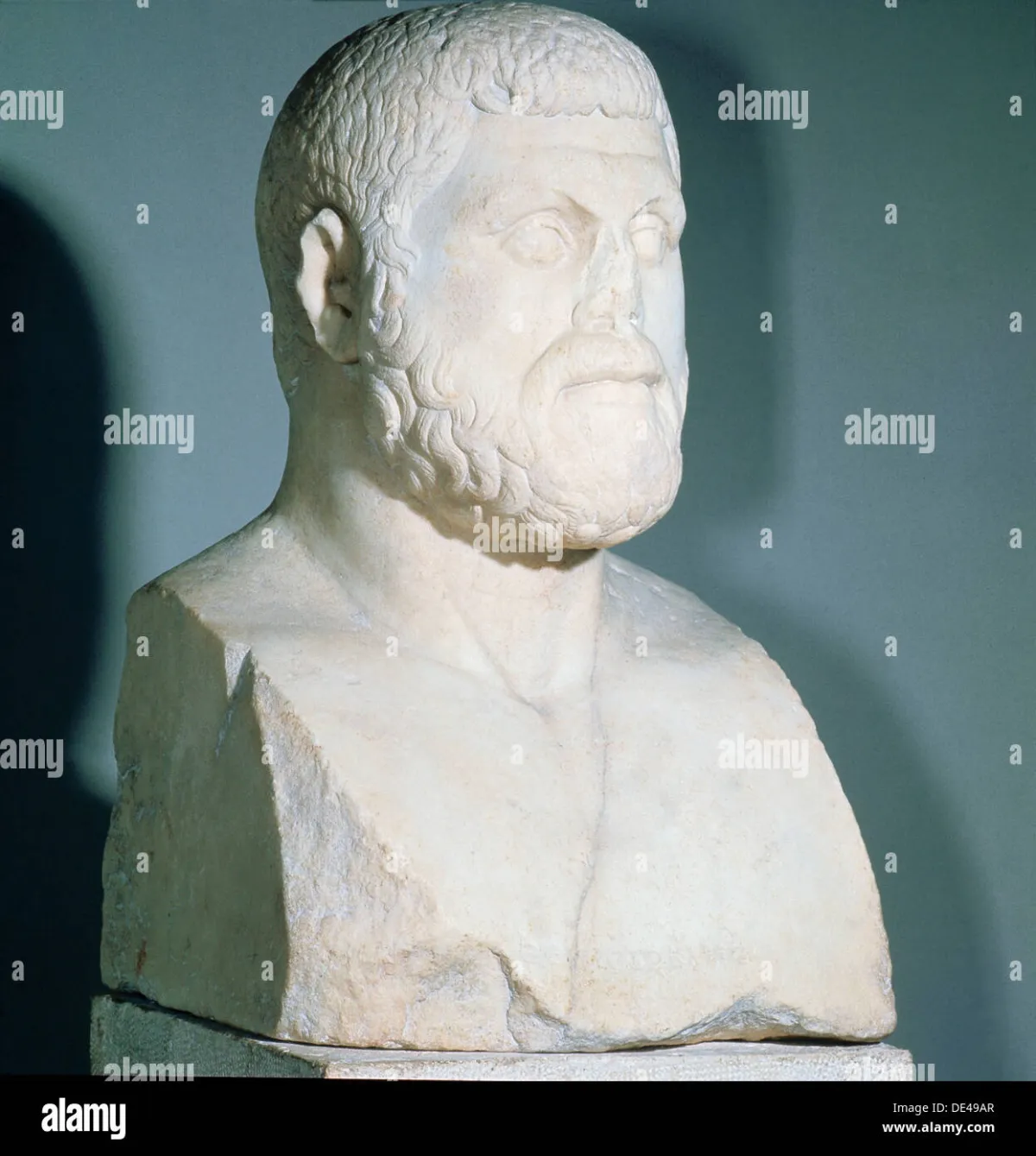 Photo: Themistocles, via c8.alamy.com
He created the Persian menace.
Themistocles didn't lie about Persian power — Xerxes was indeed building the largest military force the world had ever seen. But he transformed a distant possibility into an immediate existential crisis, complete with vivid descriptions of Persian slavery, Greek temples in flames, and children sold in Eastern markets. The Assembly voted for ships. Two years later, those ships saved Western civilization at Salamis.
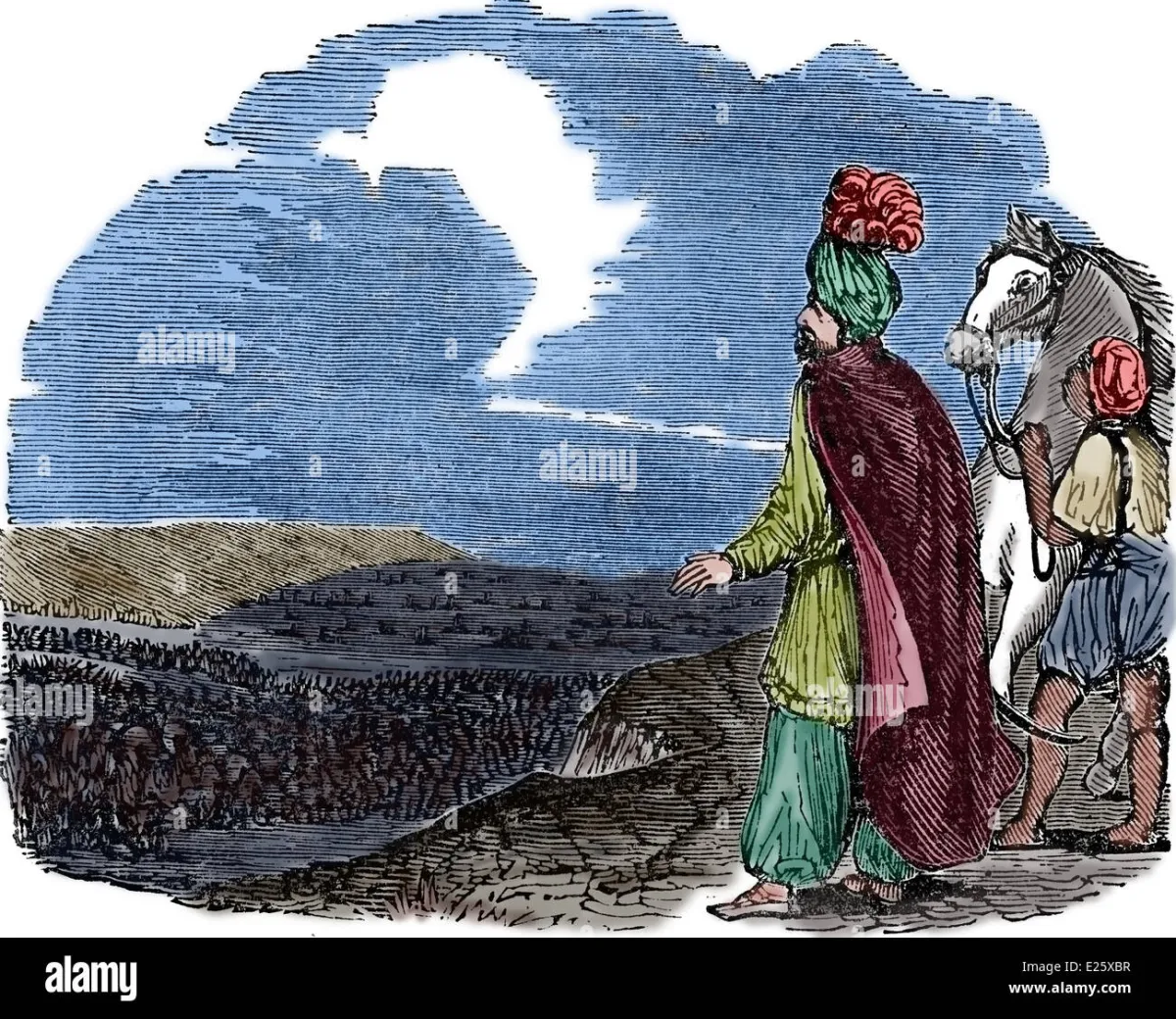 Photo: Xerxes, via c8.alamy.com
The formula Themistocles pioneered — manufactured urgency, simplified enemy, heroic necessity — remains the template for selling wars before fighting them. From Roman senators conjuring Gallic invasions to Pentagon officials spinning intelligence about weapons of mass destruction, the script never changes because the audience never does.
The Psychology of Preemptive Persuasion
Human beings are terrible at assessing distant threats and excellent at responding to immediate ones. This cognitive bias, essential for survival when our biggest worry was the saber-toothed tiger behind the next rock, becomes a vulnerability when applied to complex geopolitical situations.
Every successful pre-war propaganda campaign exploits this ancient wiring. The threat must feel imminent, even if it's theoretical. The enemy must seem both overwhelmingly dangerous and ultimately defeatable. The choice must appear binary: act now or suffer forever.
Consider how Cato the Elder ended every Senate speech with "Carthage must be destroyed," regardless of the topic. He wasn't discussing Carthaginian military movements or trade disputes — he was programming Roman minds to see every issue through the lens of existential competition. When the Third Punic War finally came, Romans had been psychologically prepared for decades.
The Modern Marketing Machine
The Gulf of Tonkin incident represents perhaps the most sophisticated evolution of Themistocles' model. On August 2, 1964, North Vietnamese patrol boats attacked the USS Maddox in international waters. Two days later, the Maddox and USS Turner Joy reported a second attack that almost certainly never happened.
But by then, the machinery was already in motion. President Johnson had his crisis, Congress had its clear enemy, and the American public had its binary choice. The Gulf of Tonkin Resolution passed with only two dissenting votes, launching a war that would consume a generation.
The sophistication lay not in the deception — ancient leaders were equally capable of creative storytelling — but in the speed and scale of distribution. What took Themistocles months of Assembly speeches now happened in 48 hours of coordinated media coverage.
The Heroic Figurehead Formula
Every pre-war campaign needs its Themistocles — the military leader whose reputation provides credibility for civilian politicians' ambitions. These figures serve dual purposes: they lend expertise to policy arguments and absorb blame when those policies fail.
General Colin Powell's presentation to the United Nations about Iraqi weapons programs followed this ancient template perfectly. Powell's military credibility transformed questionable intelligence into apparent certainty, just as Themistocles' naval expertise had validated his Persian warnings. The general becomes the message, and the message becomes the justification for action.
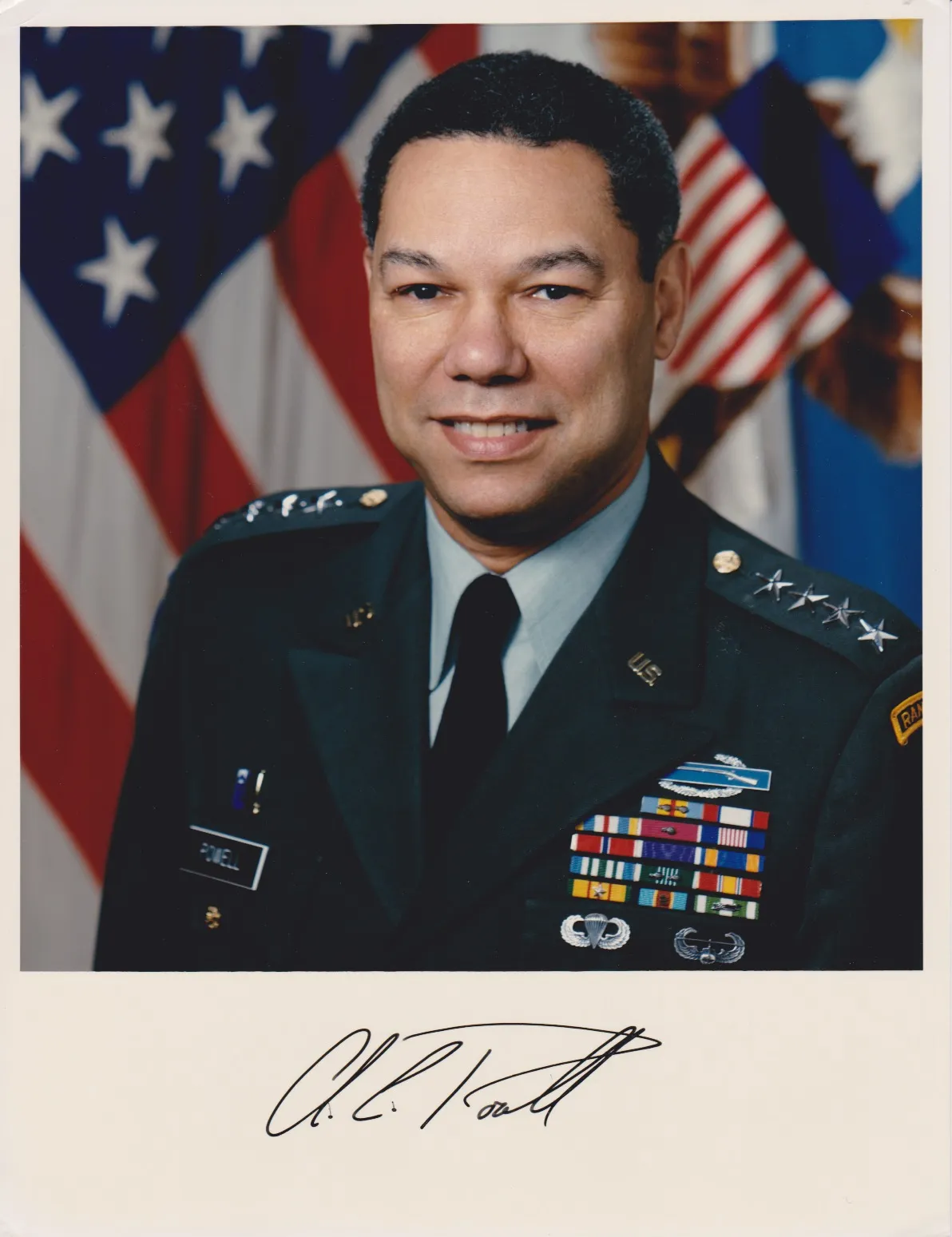 Photo: General Colin Powell, via worldwar2autographs.com
This pattern explains why democratic leaders consistently choose military spokespeople for their most dubious claims. Civilians can be dismissed as politicians, but generals carry the presumption of professional competence and apolitical judgment — even when they're advancing fundamentally political arguments.
The Simplification Imperative
Complex geopolitical situations resist simple solutions, but simple solutions win democratic debates. Pre-war propaganda always reduces multifaceted conflicts to elementary moral choices: civilization versus barbarism, freedom versus tyranny, us versus them.
The Persian Wars actually involved dozens of Greek city-states with competing interests, shifting alliances, and mixed motivations. But Themistocles sold them as a binary choice between Greek freedom and Persian slavery. Similarly, the Vietnam conflict emerged from French colonial collapse, Cold War competition, and Vietnamese nationalism — but American audiences received a simplified story about communist expansion threatening democratic values.
This simplification isn't accidental. Democratic publics can't process the genuine complexity of international relations, so leaders who want public support must provide digestible narratives. The alternative — honest complexity — produces paralysis rather than action.
The Aftermath Pattern
What makes pre-war propaganda particularly insidious is how rarely its architects face consequences for their exaggerations. Themistocles was eventually ostracized from Athens, but for different political reasons. The officials who promoted the Gulf of Tonkin narrative faced no accountability for the war that followed.
This immunity creates perverse incentives. Political leaders know they can sell wars with inflated threats because the costs of being wrong fall on soldiers and taxpayers, not on the officials who made the sales pitch. The propaganda succeeds regardless of whether the war does.
The Eternal Return
Every generation believes its leaders have invented new forms of manipulation, but the archaeological record of pre-war propaganda reveals stunning consistency across millennia. The tools evolve — from Assembly speeches to television broadcasts to social media campaigns — but the psychological targets remain identical.
We still fear distant enemies more than familiar problems. We still prefer simple explanations to complex realities. We still trust military authority more than civilian analysis. These cognitive biases served our ancestors well when survival meant quick decisions about immediate threats, but they become liabilities when applied to modern warfare.
The next time political leaders begin manufacturing urgency around a distant threat, remember Themistocles. The techniques feel sophisticated because they're targeting hardware that hasn't been updated in five thousand years.