The Psychology of Institutional Desperation
In 67 BCE, Rome faced a crisis that sounds remarkably familiar to modern ears. Pirates controlled the Mediterranean, commerce had ground to a halt, and the Senate seemed paralyzed by partisan bickering. The solution, when it came, wasn't institutional reform or careful policy deliberation. Instead, Rome handed extraordinary powers to Pompey the Great — a general whose greatest qualification was that he wasn't part of the broken system.
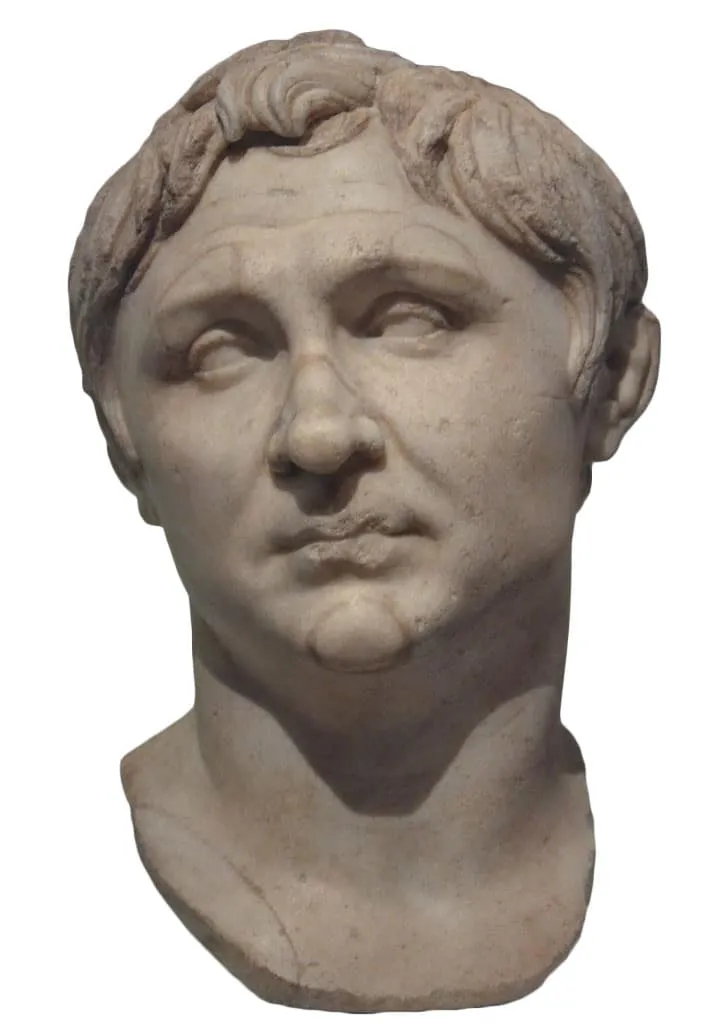 Photo: Pompey the Great, via roman-empire.net
This moment reveals something uncomfortable about human psychology: when institutions fail, populations don't demand better institutions. They demand a savior.
The pattern has repeated across five millennia of recorded history, from Chinese warlords stepping into the void left by collapsed dynasties to Napoleon emerging from the chaos of revolutionary France. But perhaps nowhere is this dynamic more visible — or more dangerous — than in failing republics, where the very concept of civilian control becomes the casualty.
The Theater of Heroism
What makes these military saviors particularly insidious is how rarely they actually earn their mythic status through genuine heroism. Instead, they benefit from what might be called "institutional theater" — carefully staged moments designed to fill the psychological void left by governmental failure.
Consider MacArthur's famous return to the Philippines in 1944. The image of the general wading ashore became one of World War II's most iconic photographs, symbolizing American resolve and military genius. What the cameras didn't capture was the extensive advance planning that went into that single shot, or the fact that MacArthur had initially landed on the wrong beach and had to restage his dramatic entrance.
 Photo: MacArthur, via i.pinimg.com
This wasn't accidental. MacArthur understood something that politicians of his era were just beginning to grasp: in an age of mass media, the appearance of decisive leadership often matters more than actual decision-making capability. The theater wasn't supplementary to his military role — it was central to it.
When Civilians Become the Problem
The hero-general phenomenon reveals a fundamental flaw in how democracies think about their own survival. When civilian institutions lose credibility, the natural impulse is to transfer trust to military figures — not because those figures have demonstrated superior governance capabilities, but because they represent the opposite of what has failed.
This psychology played out dramatically during the final years of the Roman Republic. Caesar's rise wasn't primarily due to his military genius, though that certainly helped. It was because Roman citizens had lost faith in the Senate's ability to govern effectively. Caesar represented action where the Senate represented paralysis, decisiveness where they saw endless debate, and unity where they experienced only faction.
The American Founders understood this danger intimately. Their careful construction of civilian control over the military wasn't just a theoretical principle — it was a direct response to watching other republics collapse under the weight of their own institutional failures. George Washington's decision to resign his commission rather than accept suggestions that he become king wasn't just personal virtue; it was a conscious rejection of the savior dynamic that had destroyed every previous republic.
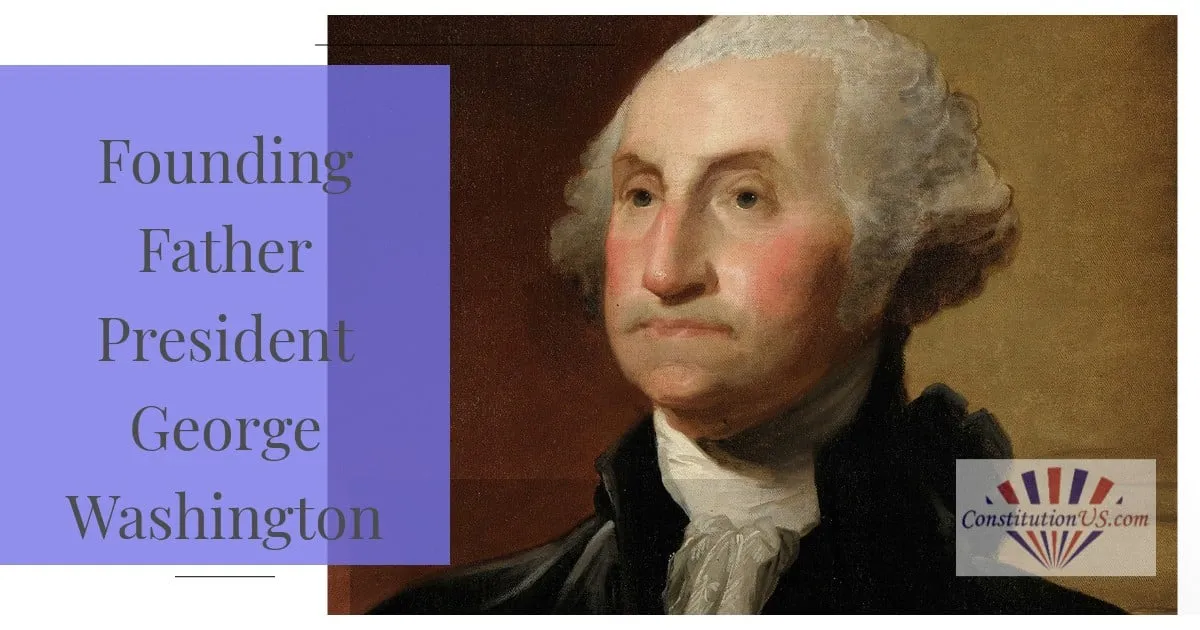 Photo: George Washington, via cfw51.rabbitloader.xyz
The Modern Temptation
Today's American political landscape shows troubling signs of this same institutional desperation. When Congress approval ratings hover in the teens and trust in federal institutions reaches historic lows, the psychological conditions that created Pompey and Caesar begin to reassert themselves.
The difference is that modern democracies have developed more sophisticated methods of resistance. The military-industrial complex that Eisenhower warned about has, paradoxically, helped prevent military coups by ensuring that armed forces remain embedded within civilian structures rather than separate from them. Generals become defense contractors, not dictators.
But this evolution doesn't eliminate the underlying psychological dynamic — it merely redirects it. When institutions fail, populations still seek saviors. They just find them in different uniforms: the businessman who will "run government like a business," the outsider who will "drain the swamp," or the celebrity who promises to cut through political correctness.
The Savior's Inevitable Failure
Historical analysis reveals a consistent pattern: the military heroes that societies create during institutional crises almost invariably disappoint. This isn't because they lack competence or virtue, but because the problems that created the crisis in the first place require institutional solutions, not individual ones.
Pompey's extraordinary commands didn't fix Rome's underlying political dysfunction — they accelerated it by normalizing the concentration of power in individual hands. Napoleon's genius couldn't solve the fundamental contradictions of revolutionary France — it simply postponed their resolution while creating new ones. MacArthur's theatrical leadership style that served him so well during wartime became a liability in the more complex world of postwar occupation and Cold War diplomacy.
The savior-general is ultimately a symptom of institutional failure, not its cure. But by the time societies recognize this distinction, they've often traveled too far down the road to authoritarianism to easily turn back.
The Choice That Defines Republics
The true test of a republic's durability isn't whether it faces institutional crises — all do. It's whether, in those moments of crisis, citizens choose to repair their institutions or replace them with heroes.
This choice reveals something fundamental about democratic psychology: the decision to maintain civilian control over the military isn't just a policy preference, it's a bet on the capacity of ordinary people to govern themselves. When that bet starts looking foolish, when civilian institutions appear hopelessly broken, the savior-general begins to look not just attractive but necessary.
The historical record suggests that once societies start down this path, the psychological momentum becomes nearly impossible to reverse. The hero-general doesn't need to seize power — power flows toward him as naturally as water flows downhill, carried by the collective exhaustion of citizens who have given up on the harder work of democratic governance.
Five thousand years of history offer a clear warning: republics don't die from external conquest. They die from the internal conviction that self-governance has become impossible, and that salvation can only come from surrendering that governance to someone else.