The Campaign Promise That Dies First
When Francisco Franco died in 1975, Spanish democrats had forty years of scores to settle. The dictatorship had executed an estimated 200,000 people, imprisoned hundreds of thousands more, and systematically suppressed regional cultures and languages. The transition government promised accountability, investigation, and justice for the regime's victims. Instead, they delivered the Pacto del Olvido—the Pact of Forgetting—a negotiated amnesia that protected Franco's collaborators in exchange for peaceful democratization.
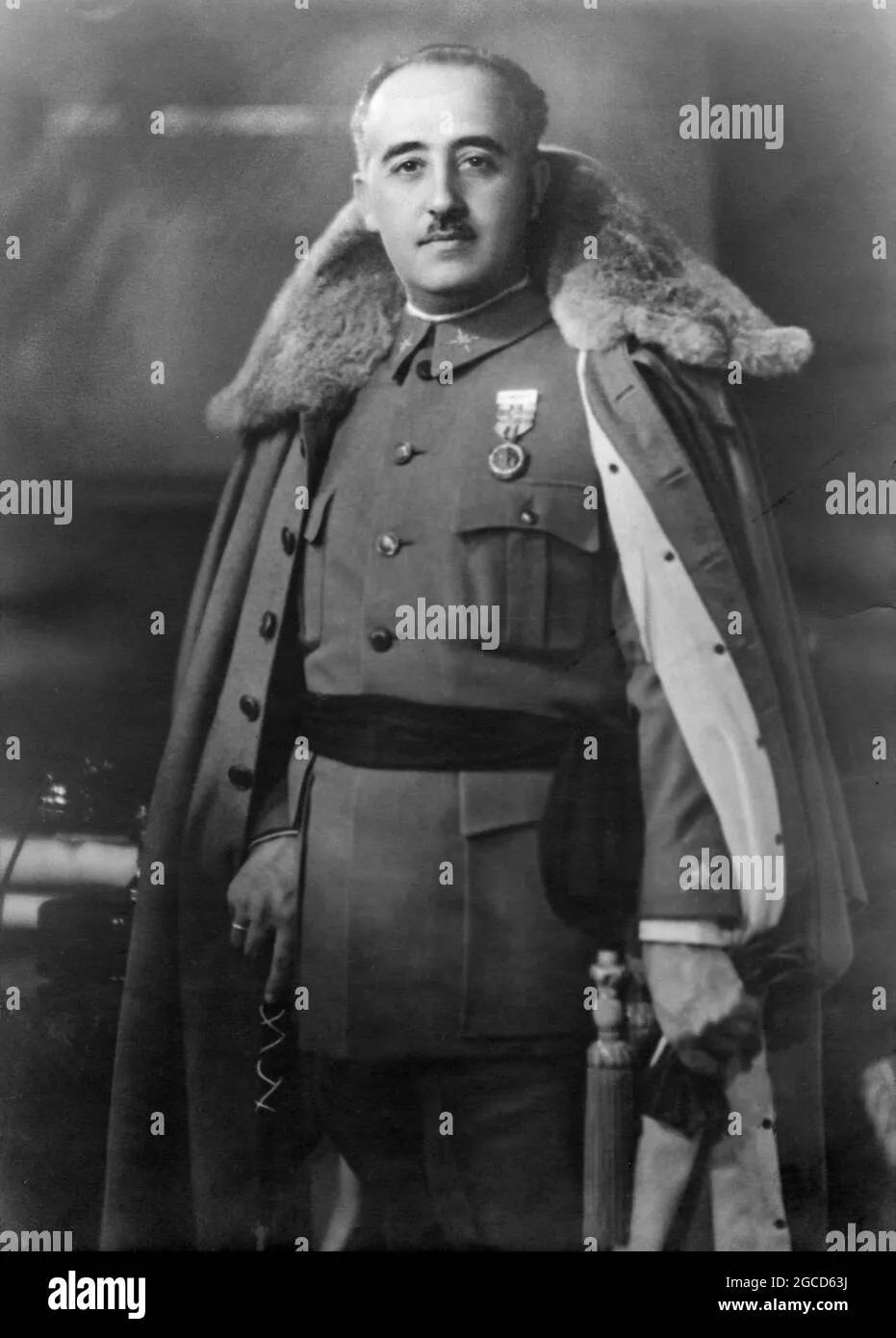 Photo: Francisco Franco, via c8.alamy.com
Spain's choice between justice and stability illustrates a pattern that spans continents and centuries. Post-authoritarian governments almost universally campaign on promises of reckoning with the previous regime's crimes. They commission truth commissions, promise prosecutions, and pledge that "never again" will have meaning. Yet within a few years, almost all arrive at some form of negotiated amnesty, trading accountability for governability. The historical record raises an uncomfortable question: is justice after regime change a genuine political goal, or is it transitional currency that gets spent on stability?
The South African Model
South Africa's Truth and Reconciliation Commission became the gold standard for post-conflict justice, praised worldwide for choosing healing over vengeance. Archbishop Desmond Tutu's moral authority lent legitimacy to a process that granted amnesty in exchange for full disclosure of apartheid-era crimes. The commission documented horrific abuses while avoiding the prosecutions that might have destabilized the fragile democracy.
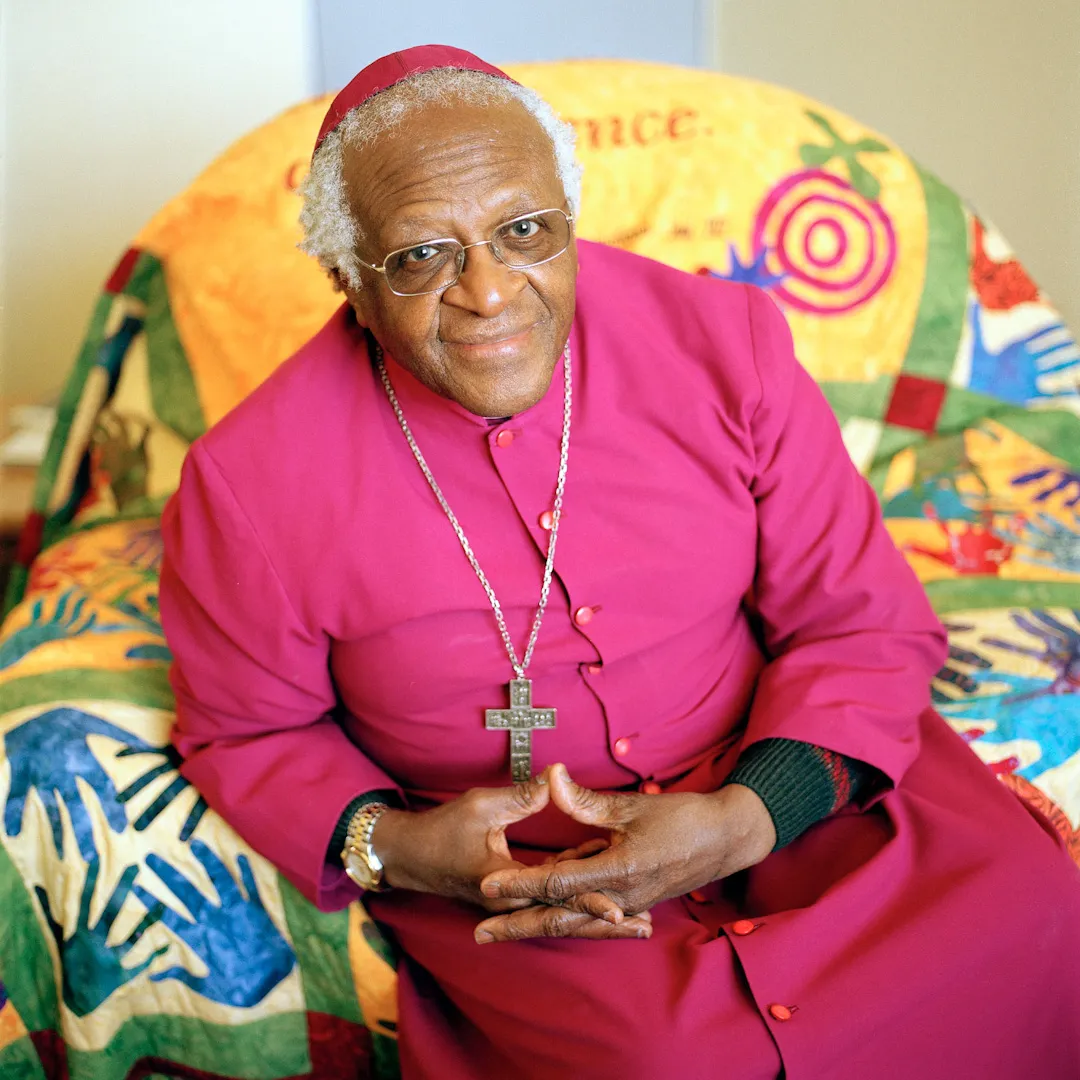 Photo: Archbishop Desmond Tutu, via www.theforgivenessproject.com
Yet even this celebrated model reveals the underlying tension between justice and stability. The commission granted amnesty to 1,167 applicants while refusing it to only 145 others. Many victims' families felt betrayed by a process that seemed to prioritize the comfort of perpetrators over the rights of those they had harmed. F.W. de Klerk, the last apartheid president, received amnesty despite evidence of his knowledge of state-sponsored violence.
The pragmatic logic was undeniable: South Africa needed the cooperation of apartheid-era security forces, civil servants, and business leaders to function as a modern state. These people possessed the technical knowledge and institutional memory necessary to run everything from nuclear facilities to water systems. Prosecuting them en masse would have created a brain drain that could have crippled the new government.
The American Precedent
The United States established the template for post-conflict amnesty after its own civil war. Despite initial calls for hanging Confederate leaders as traitors, Andrew Johnson's administration chose reconciliation over retribution. Jefferson Davis spent two years in prison but was never tried for treason. Robert E. Lee died peacefully at Washington College, where he served as president. The Ku Klux Klan operated with virtual impunity throughout Reconstruction.
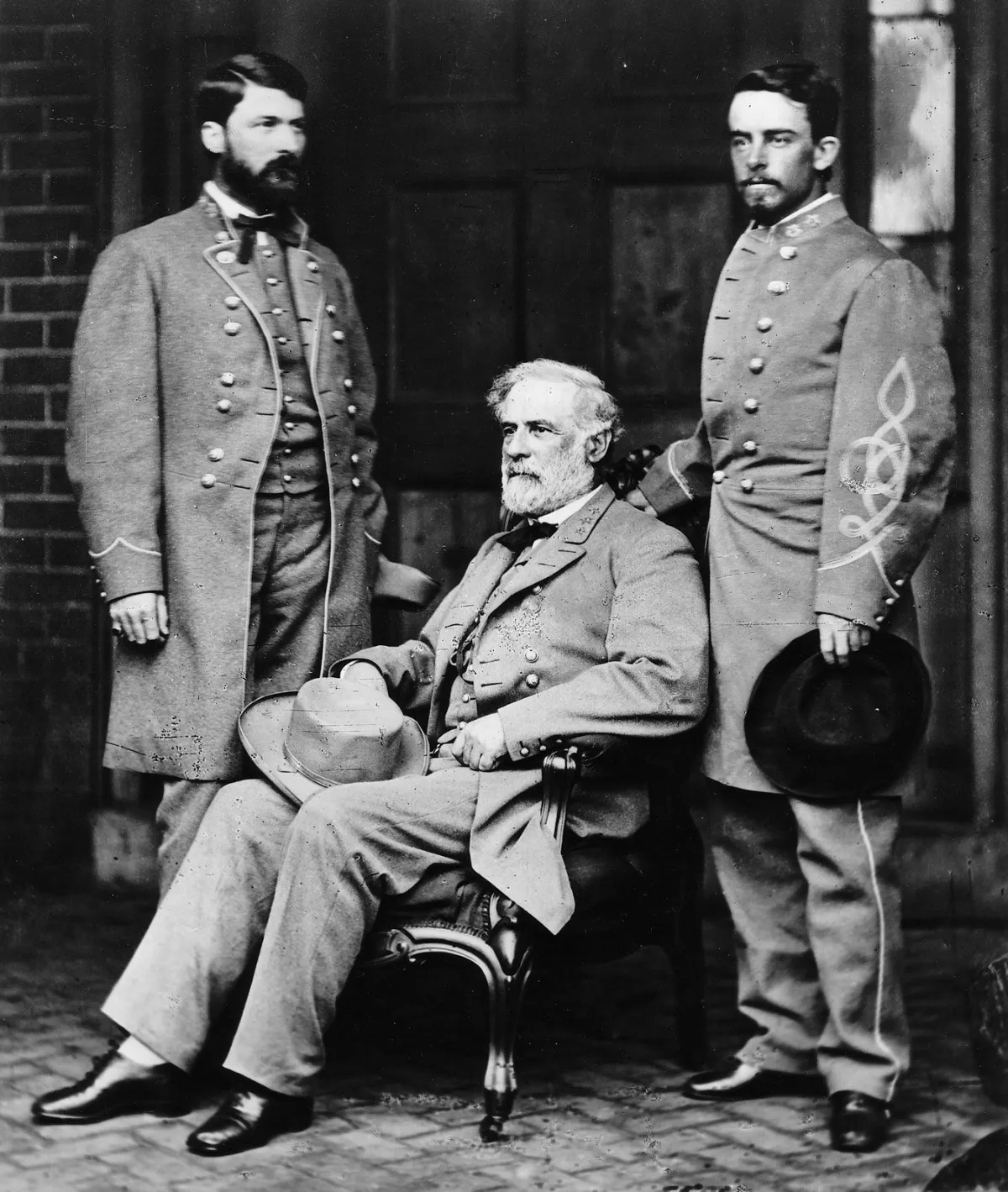 Photo: Robert E. Lee, via cdn.britannica.com
This choice had profound consequences for American racial justice. The failure to prosecute Confederate war crimes or permanently dismantle the South's ruling class enabled the creation of Jim Crow, a system that maintained white supremacy through legal rather than military means. The price of national reunification was paid by African Americans, who endured another century of systematic oppression.
Yet the alternative—a prolonged military occupation and mass prosecutions—might have made political reunification impossible. The North lacked the stomach for the kind of denazification program that would have been necessary to genuinely transform Southern society. Amnesty enabled the fiction that the war had been about constitutional interpretation rather than slavery, a comfortable lie that both sides could live with.
The Institutional Imperative
Why do revolutionary governments consistently choose amnesty over accountability? The answer lies in the practical requirements of governing. New regimes inherit states designed and operated by the people they have displaced. The alternative to working with former regime personnel is often not justice, but state collapse.
East Germany's experience after reunification illustrates this dilemma. The new government attempted to purge former Stasi officers and Communist Party officials from public employment. The result was administrative chaos as entire government departments lost their institutional memory. Schools, hospitals, and local governments struggled to function without the people who had run them for decades.
Similarly, Iraq's de-Baathification policy after 2003 removed experienced administrators from government service in the name of justice and accountability. The policy contributed to state collapse by eliminating the human infrastructure necessary for basic governance. Former regime personnel joined insurgent groups partly because they had been excluded from the new political order.
The Psychology of Forgetting
Societies choose amnesty not just for practical reasons, but for psychological ones. Confronting the full extent of past atrocities forces uncomfortable questions about collective complicity. How many ordinary citizens collaborated with oppressive regimes? How many benefited from systems they knew were unjust? How many simply looked the other way while neighbors disappeared?
The Pacto del Olvido allowed Spaniards to avoid these questions by treating Francoism as a historical aberration rather than a system that millions had actively or passively supported. Similarly, post-war Germany's initial reluctance to confront the Holocaust reflected a society-wide desire to move forward without examining how ordinary people had enabled genocide.
Amnesty offers emotional relief from the burden of historical truth. It allows societies to construct comforting narratives about past conflicts while avoiding the painful work of understanding how those conflicts became possible. The cost of this psychological comfort is often paid by victims, whose suffering gets minimized in service of national reconciliation.
The Transitional Bargain
Post-conflict amnesty represents a specific type of political bargain: immediate stability in exchange for long-term justice. New governments calculate that prosecuting former regime officials would provoke resistance that could destabilize democratization. They choose to prioritize regime survival over victim rights, hoping that democratic consolidation will eventually enable accountability.
This calculation often proves correct in the short term but problematic in the long run. Spain's democracy survived and thrived despite the Pacto del Olvido, but the failure to address Franco-era crimes created wounds that still fester decades later. Mass graves remain unexcavated, families lack closure, and regional grievances persist partly because they were never formally acknowledged.
South Africa avoided political collapse but failed to address the economic inequalities that apartheid created. The Truth and Reconciliation Commission documented political crimes while ignoring the systemic exploitation that enriched white South Africans at black expense. This selective accountability preserved racial economic hierarchies while creating formal political equality.
The Eternal Recurrence
Every transitional government faces the same choice between justice and stability, and most make the same calculation their predecessors did. The pattern repeats because the underlying incentives remain constant: new regimes need the cooperation of old regime personnel to govern effectively, and prosecutions threaten that cooperation.
The historical record suggests that accountability after regime change is less about justice than about political theater. Truth commissions, lustration processes, and transitional courts serve symbolic functions while the real work of governance requires practical compromises with former enemies. Justice becomes a luxury that few new governments can afford.
Five thousand years of political transitions reveal a depressing consistency: societies that promise accountability for past crimes almost always deliver amnesty instead. The victims of oppression discover that their suffering matters less than the stability of the new order. The promise of "never again" becomes "not right now," and "not right now" becomes "not ever." The pattern repeats because human psychology prioritizes present peace over past justice, even when that choice guarantees future repetition of the crimes being forgiven.