The Tax That Forgot to Die
In 1799, British Prime Minister William Pitt introduced a revolutionary concept to fund the war against Napoleon: a temporary tax on income. The measure was explicitly sold as an emergency wartime expedient that would be abolished the moment peace returned. Parliament debated it as a necessary evil, politicians promised it would disappear with the crisis, and citizens grudgingly accepted it as the price of national survival.
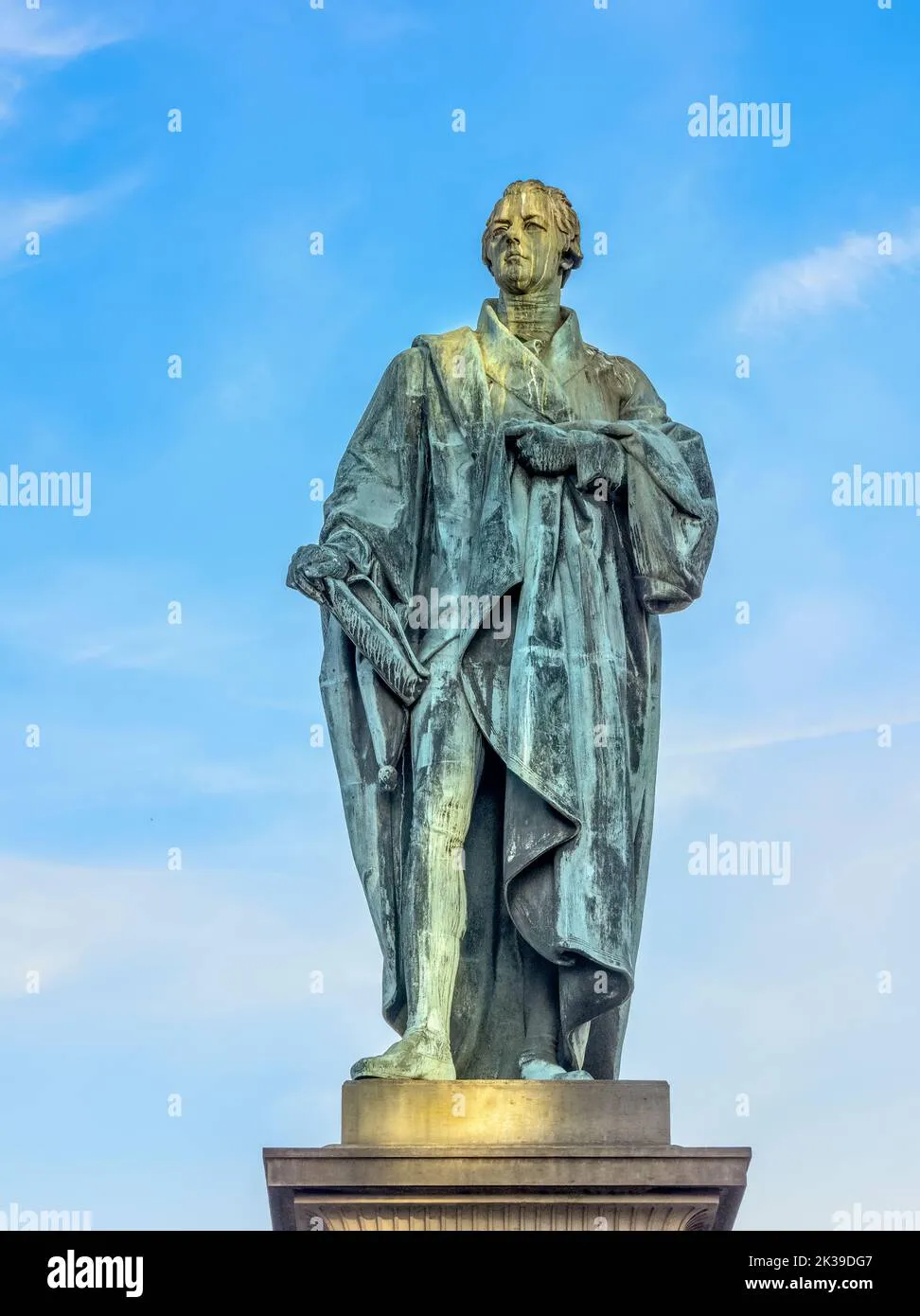 Photo: William Pitt, via c8.alamy.com
Napoleon was defeated in 1815. The income tax was dutifully abolished in 1816. Then it was quietly reintroduced in 1842 during a budget crisis. Then again in 1853 during the Crimean War. By 1860, what had been sold as a temporary wartime measure had become a permanent feature of British fiscal policy, justified by a succession of new emergencies that somehow always required the same solution.
This pattern—temporary measures becoming permanent institutions through crisis renewal—represents one of the most predictable phenomena in political history. The psychology behind it hasn't changed in five millennia: societies under pressure will accept extraordinary measures they would normally reject, and once those measures are institutionalized, new justifications for their continuation always emerge.
The Roman Precedent: Dictators Who Stayed
The Roman Republic invented the template for temporary emergency powers. The dictator—originally a six-month appointment during military crises—was designed to provide decisive leadership when normal democratic processes proved too slow. Early dictators like Cincinnatus famously relinquished power before their terms expired, returning to their farms once the immediate threat passed.
But the psychological appeal of emergency powers proved stronger than constitutional restraints. Julius Caesar's dictatorship, initially justified by civil war, was extended repeatedly until it became effectively permanent. Augustus formalized this evolution, transforming temporary crisis measures into the permanent imperial system that lasted five centuries.
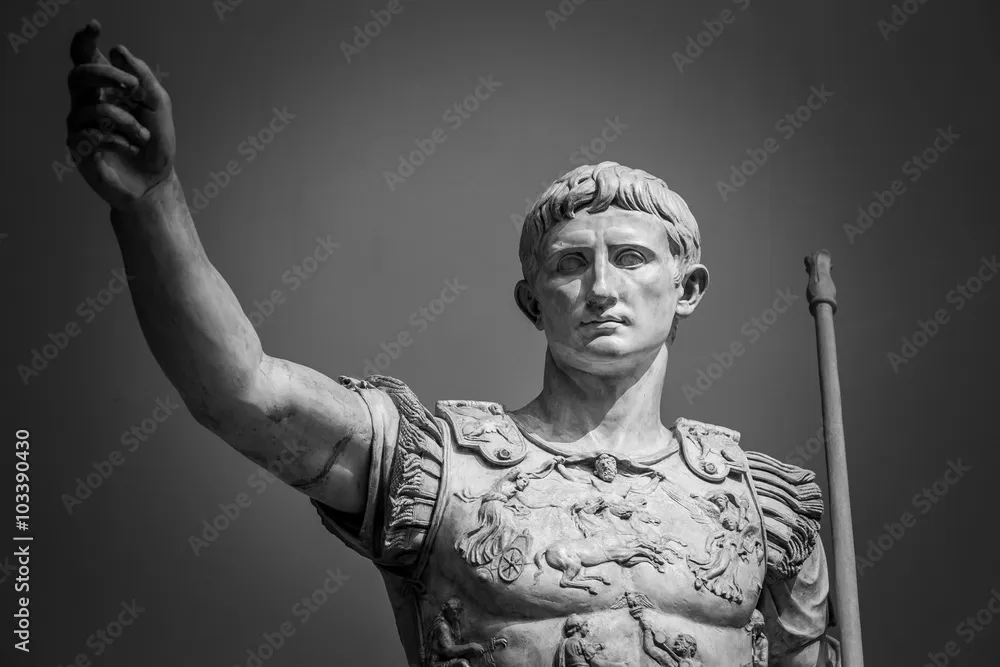 Photo: Augustus, via as1.ftcdn.net
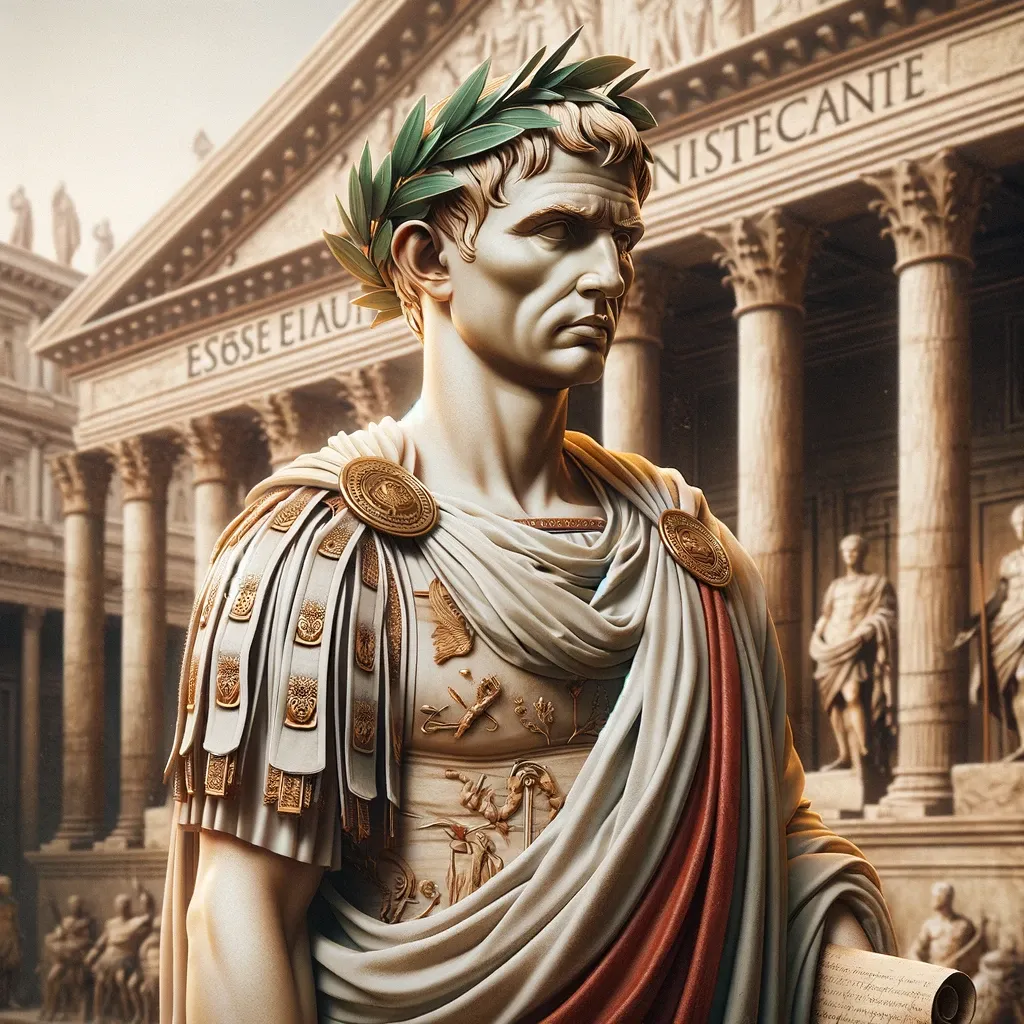 Photo: Julius Caesar, via socialstudieshelp.com
The Roman experience revealed the fundamental psychology of emergency powers: they feel necessary during the crisis that creates them, and they feel indispensable during the peace that follows. Once a society becomes accustomed to decisive leadership during emergencies, normal democratic deliberation begins to feel dangerously slow and inefficient.
The American Invention: Permanent Temporary Agencies
The United States has perfected the art of making temporary institutions permanent while maintaining the fiction of their temporary nature. The Federal Emergency Management Agency (FEMA), created in 1979 to coordinate disaster response, has expanded its mission continuously for four decades. What began as a temporary coordinating body now has permanent authority over everything from pandemic response to cybersecurity.
The Transportation Security Administration (TSA) represents an even clearer example of emergency institutionalization. Created in response to 9/11 as a temporary federal takeover of airport security, the TSA was explicitly designed to be privatized once proper security procedures were established. Twenty years later, it employs 60,000 people and has expanded its mission to include train stations, sports stadiums, and special events.
The psychological mechanism is always the same: once an emergency agency proves useful, new emergencies are discovered that require its continued existence. FEMA's mission expanded from natural disasters to include terrorism, then pandemics, then cybersecurity threats. Each expansion felt logical and necessary, but the cumulative effect was to transform a temporary crisis response into a permanent government function.
The Legislative Psychology: Why Sunset Clauses Never Set
Politicians have long recognized the danger of permanent emergency powers, which is why they routinely include sunset clauses in crisis legislation. The PATRIOT Act, passed six weeks after 9/11, included provisions that were supposed to expire in 2005. The Emergency Economic Stabilization Act of 2008 was designed to be a temporary response to financial crisis.
But sunset clauses reveal their own psychological flaw: they require politicians to actively choose to reduce their own power. When renewal time comes, the original crisis may have passed, but new threats always emerge that seem to require the same extraordinary measures.
The PATRIOT Act has been renewed, with modifications, four times since 2005. Each renewal debate follows the same pattern: critics argue that the original emergency has passed, supporters identify new threats that require continued vigilance, and Congress splits the difference by extending the powers with minor modifications.
This pattern reflects a deeper truth about political psychology: it's easier to extend existing powers than to create new ones, even when the original justification has disappeared. Emergency measures benefit from a psychological presumption of necessity that normal legislation lacks.
The Wartime Economy: When Crisis Becomes Normal
World War II transformed American government in ways that were supposed to be temporary but became permanent. The federal income tax withholding system, introduced as a wartime expedient to improve tax collection, remained in place after 1945. The military-industrial complex, built to defeat fascism, found new purpose in confronting communism.
Price controls, rationing systems, and industrial planning—all justified as temporary wartime measures—created constituencies that lobbied for their continuation. Defense contractors, federal agencies, and workers in war industries all had economic incentives to find new justifications for maintaining wartime arrangements.
The psychological shift was profound: Americans became accustomed to high levels of federal involvement in economic planning, extensive government surveillance of citizens, and permanent military mobilization. What had been accepted as temporary sacrifices for national survival became normal features of American life.
The Modern Multiplication: Crisis as Governance Strategy
Contemporary American politics has institutionalized the emergency mindset. Since 1979, presidents have declared more than 60 national emergencies, most of which remain in effect. The oldest active emergency declaration dates to 1979 and concerns the Iranian hostage crisis—an event that ended 40 years ago.
Each emergency grants the president extraordinary powers that bypass normal legislative processes. Immigration emergencies allow border wall construction without congressional approval. Economic emergencies permit trade restrictions without Senate ratification. Health emergencies authorize spending without budget appropriations.
The psychological appeal for politicians is obvious: emergency powers allow decisive action without the messy complications of democratic deliberation. But the broader effect is to normalize the idea that effective governance requires bypassing normal constitutional processes.
The Bureaucratic Imperative: Agencies That Justify Themselves
Once emergency agencies are created, they develop institutional interests in perpetuating the conditions that justify their existence. The Department of Homeland Security, created in response to 9/11, now identifies threats in everything from climate change to domestic political dissent. Its mission has expanded to include election security, pandemic response, and social media monitoring.
This expansion follows predictable organizational psychology: agencies seek to maximize their relevance and resources by broadening their mission definitions. What begins as a specific response to a particular threat evolves into a general-purpose tool for addressing any problem that can be framed as a security issue.
The result is that emergency agencies become constituencies for discovering new emergencies. They develop expertise in threat assessment, build relationships with Congress and the media, and create research that identifies new areas requiring their intervention.
The Democratic Paradox: Voting Away Democracy
The most troubling aspect of emergency power expansion is its democratic legitimacy. Citizens consistently support temporary measures during genuine crises, and they often support extending those measures when new threats emerge. Opinion polls show majority support for most emergency powers, even years after their original justification has disappeared.
This creates a democratic paradox: people vote for representatives who promise decisive action during crises, then support those representatives when they use emergency powers to bypass normal democratic processes. The psychological appeal of strong leadership during uncertain times consistently outweighs abstract concerns about constitutional limitations.
The pattern suggests something uncomfortable about democratic psychology: citizens value the feeling of security more than the reality of self-governance, especially when those two values appear to conflict.
The Five-Thousand-Year Pattern
Every civilization has faced the same choice between liberty and security, and every civilization has made the same psychological bargain: temporary sacrifices of freedom for permanent promises of safety. The specific threats change—invasion, revolution, terrorism, pandemic—but the governmental response remains constant.
Roman dictators, British tax collectors, and American security agencies all discovered the same truth: once people accept extraordinary measures as necessary, those measures become ordinary features of governance. The emergency mindset creates its own momentum, identifying new threats that require the same extraordinary responses.
Understanding this pattern doesn't make us immune to it, but it might make us more conscious of the trade-offs we're making. The next time politicians propose temporary measures to address urgent threats, we might ask not whether those measures are necessary, but whether we're prepared to live with them permanently.
Because after five thousand years of evidence, one thing is clear: temporary government powers are like temporary taxes—they have a remarkable ability to forget their own expiration dates.