The Augurs Who Saw Nothing
In 59 BCE, Julius Caesar needed divine approval for his controversial land redistribution bill. As consul, he couldn't simply ram legislation through the Senate — Roman tradition required consulting the augurs, priests who interpreted the will of the gods through bird flight patterns and other omens.
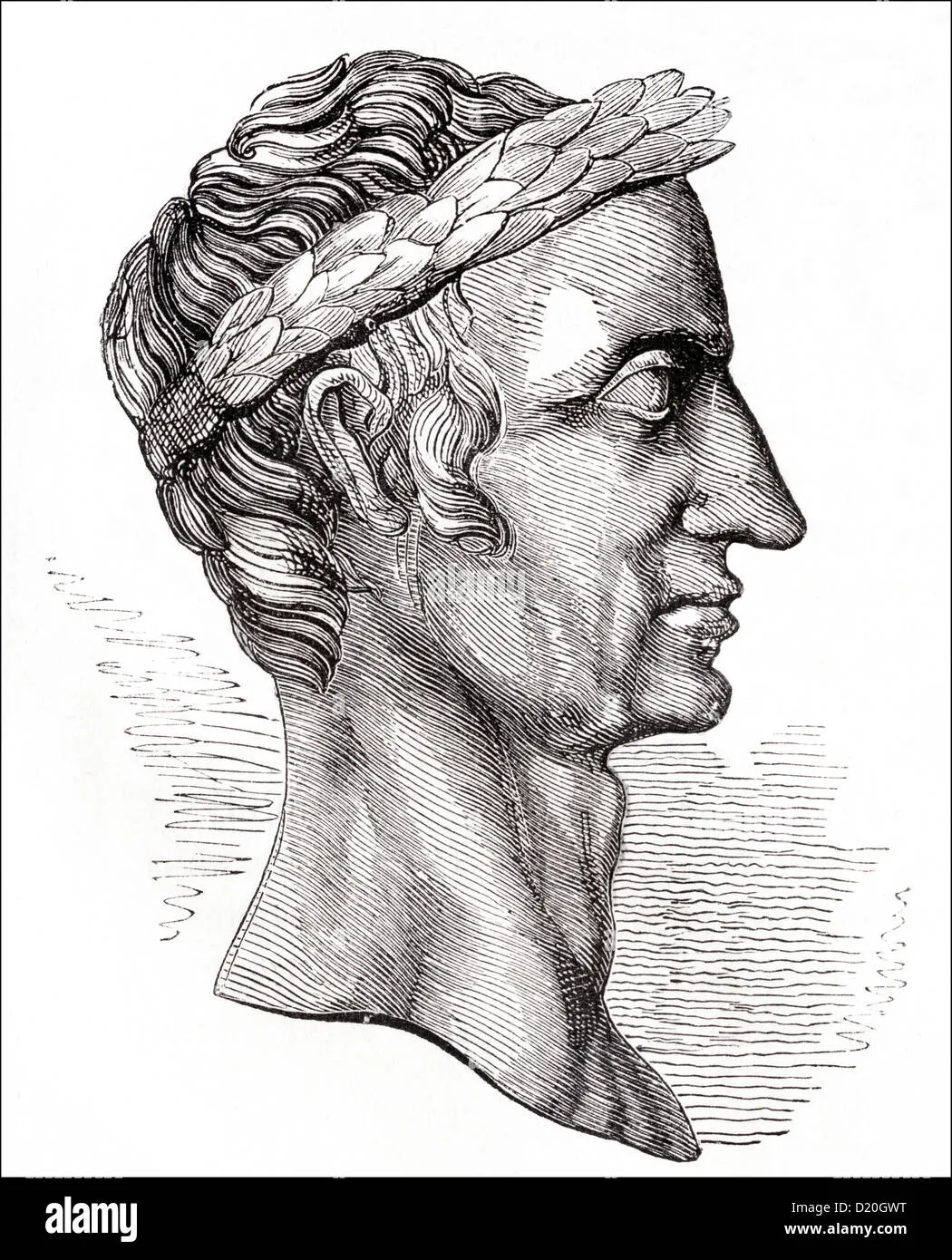 Photo: Julius Caesar, via c8.alamy.com
The augurs had maintained their independence for centuries. They came from patrician families, served for life, and answered to no political authority. Their neutrality was both their source of legitimacy and their protection against political pressure.
But when Caesar's colleague Bibulus tried to use religious objections to block the land bill, something unprecedented happened. The augurs suddenly discovered that the omens were favorable after all. The birds flew in auspicious patterns, the sacrificial entrails revealed divine blessing, and the gods apparently endorsed whatever Caesar wanted to do.
Roman citizens understood immediately what had occurred. The referees had been bought, and the game was over. Within a generation, the Republic had collapsed into civil war.
The Architecture of False Neutrality
Every democratic system creates institutions designed to stand above partisan politics. Courts interpret laws impartially. Election commissions count votes objectively. Central banks manage currency without political interference. Inspector generals investigate corruption regardless of party affiliation.
These institutions derive their authority from perceived neutrality. Citizens accept judicial rulings, electoral outcomes, and monetary policy because they believe the decision-makers are following rules rather than preferences. The moment that belief disappears, the institution's power evaporates.
But neutrality is always an illusion waiting to be exposed. Every referee is human, every human has interests, and every interest can be influenced by those with sufficient power and motivation. The question isn't whether neutral institutions will be captured — it's when and how.
The Roman Innovation
Rome pioneered the concept of institutionalized neutrality because Roman politics was inherently factional. Without a monarch to serve as ultimate arbiter, the Republic needed mechanisms for resolving disputes that all factions could accept.
The augurs represented the most sophisticated version of this system. They weren't elected officials who owed their positions to popular support, nor were they appointed bureaucrats who served at the pleasure of magistrates. They were religious authorities whose legitimacy came from divine rather than human sources.
This divine mandate was supposed to insulate augurs from political pressure. If they answered only to the gods, they couldn't be threatened by consuls or bribed by senators. The system worked for centuries because Romans genuinely believed in augural independence.
But belief systems change faster than institutions. By Caesar's time, educated Romans understood that augury was political theater, but the theater was still necessary for maintaining social order. The augurs became actors playing roles they no longer believed in, which made them vulnerable to actors who offered better scripts.
The American Experiment
The Founders understood the referee problem intimately. They had watched British colonial governors manipulate courts, election procedures, and administrative agencies to maintain imperial control. Creating truly independent institutions became central to their constitutional design.
Federal judges received life tenure and protected salaries to insulate them from political pressure. The Constitution established specific procedures for elections that state governments couldn't easily manipulate. The separation of powers was designed to prevent any single faction from capturing all the referees simultaneously.
For two centuries, this system largely worked. American courts maintained sufficient independence to check executive and legislative overreach. Elections remained credible enough that losing candidates typically accepted results. Administrative agencies operated with enough autonomy to implement policies regardless of partisan preferences.
But the system's success created complacency about its fragility. Americans began treating institutional independence as a natural law rather than a carefully maintained balance of competing interests.
The Court-Packing Moment
Franklin Roosevelt's 1937 court-packing plan revealed how quickly constitutional norms could collapse when political stakes got high enough. The Supreme Court had struck down key New Deal legislation, and Roosevelt faced a choice between accepting judicial constraints or changing the judiciary itself.
 Photo: Supreme Court, via news.delaware.gov
His solution was elegantly simple: expand the Court from nine to fifteen justices and fill the new positions with supporters of his agenda. The plan was perfectly legal — the Constitution doesn't specify the Court's size — but it would have destroyed the institution's independence permanently.
What's remarkable about the court-packing fight isn't that Roosevelt proposed it, but how close he came to succeeding. Congressional Democrats initially supported the plan, and public opinion was divided. The Court's independence survived only because Justice Owen Roberts switched sides in key cases, reducing political pressure for institutional reform.
The episode demonstrated that judicial independence depends on political restraint rather than constitutional protection. When restraint disappears, independence follows.
The Electoral Referee Problem
Election administration presents the purest version of the referee problem because the referees' decisions directly determine who holds power. Unlike courts, which can be ignored, or central banks, which operate in technical obscurity, election officials make choices that immediately affect every politician's career.
For most of American history, this problem remained manageable because elections were administered locally by officials from both parties who had strong incentives to maintain credibility. Partisan election administration was self-limiting — obvious fraud would provoke backlash from the opposing party and federal intervention.
But nationalization of politics has broken this equilibrium. Local election officials now face pressure not just from their immediate communities but from national party organizations with resources to reward compliance and punish independence. The referee problem has scaled up to match the stakes.
The Central Bank Illusion
Central banks represent the most successful attempt to create genuinely independent economic referees. The Federal Reserve operates with substantial autonomy from both Congress and the White House, making monetary policy decisions based on technical rather than political criteria.
This independence has survived multiple attempts at political capture because central banking remains sufficiently technical to confuse most politicians and boring enough to avoid sustained public attention. The Fed can raise interest rates during election years without facing the immediate consequences that would destroy a more visible institution.
But even central bank independence depends ultimately on political tolerance. Congress created the Fed and could restructure or eliminate it at any time. The institution's autonomy persists because politicians benefit from having someone else make unpopular economic decisions, not because independence is constitutionally guaranteed.
The Digital Transformation
Technology has fundamentally altered the referee problem by creating new categories of neutral institutions that didn't exist in previous eras. Social media platforms make editorial decisions about acceptable speech. Search engines determine what information users can find. Payment processors decide which organizations can receive donations.
These digital referees claim neutrality through algorithms and terms of service, but their decisions shape political outcomes as directly as any traditional institution. When Twitter suspended Donald Trump's account or when PayPal restricts certain political organizations, they're exercising referee power without democratic accountability.
The capture of digital institutions follows the same pattern as traditional ones, but with less transparency and fewer safeguards. Corporate executives replace elected officials, but the fundamental dynamic remains unchanged: whoever controls the referees controls the game.
The Inspector General Paradox
Inspector generals represent democracy's most recent attempt to solve the referee problem through institutional design. These officials are supposed to investigate government corruption and misconduct without political interference, providing objective oversight of executive branch operations.
But inspector generals face an impossible structural challenge: they work within the institutions they're supposed to monitor. Their budgets, staff, and access depend on cooperation from the officials they might need to investigate. Even with statutory protections, they remain vulnerable to subtle forms of pressure and retaliation.
The inspector general system works when the misconduct being investigated is relatively minor or when political leaders benefit from appearing to support oversight. But during serious constitutional crises — exactly when independent oversight is most needed — inspector generals discover that their independence was always contingent on political tolerance.
The Inevitability of Capture
Every neutral institution eventually faces the same choice: maintain independence and risk irrelevance, or accept capture and retain influence. The augurs who defied Caesar found themselves ignored. The courts that consistently rule against popular policies face congressional retaliation. The election officials who resist partisan pressure discover that their positions have been eliminated or their procedures have been changed.
This isn't a design flaw that better institutions could solve — it's an inherent feature of democratic politics. Power seeks to control the mechanisms that constrain it, and those mechanisms are operated by humans who respond to incentives. The referee problem has no solution because referees live in the same world as the players.
The Eternal Vigilance Solution
The only protection against institutional capture is constant vigilance from citizens who understand that neutrality is always temporary. Democratic institutions remain independent only as long as democratic publics demand independence and punish politicians who attack referees.
But this vigilance requires civic knowledge that most democracies have failed to maintain. Citizens who don't understand how institutions work can't recognize when those institutions are being captured. The referee problem persists because the audience doesn't know the game well enough to spot when the fix is in.
Rome fell because Romans stopped caring whether their referees were honest. Every democracy faces the same choice: pay attention to institutional integrity or watch it disappear through neglect. The augurs are always watching the skies, but someone has to watch the augurs.